
QuoteZen Research
Collectors face huge insurance gaps under 2026 property valuations
Standard home insurance covers possessions at just 1% of dwelling value. See 2026 pricing data and how coll...
Compare top-rated Umbrella Insurance professionals in the Tampa area. All providers are licensed, insured, and reviewed by real customers.
Compare Options BelowStandard home insurance covers possessions at just 1% of dwelling value. See 2026 pricing data and how coll...

Compare usage-based insurance savings across 10 major insurers in 2026. See who offers $500+ in discounts w...

The insurance industry collected $2.1 trillion in 2026 premiums, but only 63 cents per dollar went back to ...
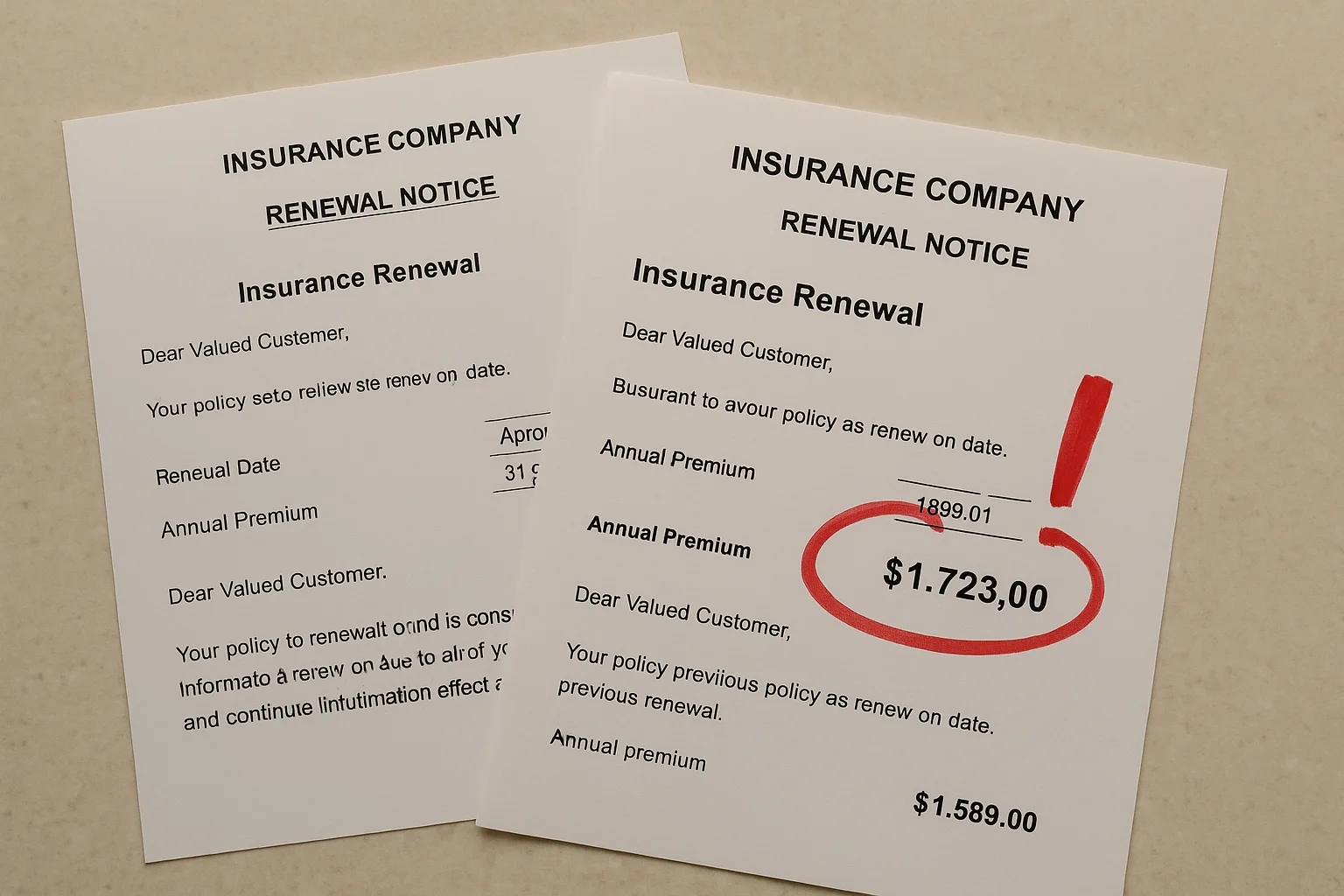
New 2026 data shows auto insurance monthly payment plans cost drivers $150-$300 extra yearly. Here's exactl...
Umbrella insurance is a type of liability coverage that provides extra protection beyond your standard policies. It is designed to shield your assets from major claims or lawsuits. Generally, it kicks in when your basic liability limits are exceeded, offering coverage typically starting at $1 million.
You may want to consider umbrella insurance if you have significant assets, own a home, or engage in activities that could lead to potential lawsuits. For example, if you own a rental property or have a swimming pool, your risk of liability increases. On the other hand, if you're a student with minimal assets, it may not be necessary.
Getting umbrella insurance involves a few key steps: 1. Assess your assets. This helps in deciding how much coverage you need. 2. Compare policies. Use comparison tools like Policygenius or Insure.com to find the best rates. 3. Read the fine print before signing anything.
The entire process can take anywhere from a few days to a couple of weeks depending on the insurer’s requirements and your readiness to provide documentation. Typically, once you select a policy, coverage can begin immediately.
The cost of umbrella insurance varies widely based on several factors. Generally, you can expect to pay between $150 and $300 annually for a $1 million policy. Factors affecting the price include your state, the amount of coverage you choose, and your risk profile. Higher coverage limits, like $2 million or $5 million, can increase premiums to up to $1,000 per year. It's essential to understand what’s included in your policy, such as legal fees and damages, versus what might be extra, like certain exclusions.
According to Price-Quotes Research Lab data for Tampa, FL, the average cost for Umbrella Insurance services ranges based on complexity, time of service, and provider experience. Prices in the Tampa metropolitan area may differ from national averages due to local market conditions, licensing requirements, and seasonal demand. Data reflects verified quotes collected from licensed providers serving Tampa as of October 2026.
Source: Price-Quotes Research Lab, QuoteZen Tampa Market Report (2026). Methodology: Aggregated pricing data from verified, licensed providers. Sample covers the Tampa, FL metropolitan area.
| Service | Low | Average | High | Unit | Confidence |
|---|---|---|---|---|---|
| Business Insurance | $75 | $150 | $300 | per month | ●●●○○ |
| Car Insurance Quotes | $150 | $250 | $400 | per month | ●●●○○ |
| Health Insurance | $450 | $600 | $850 | per month | ●●●○○ |
| Home Insurance | $1800 | $2500 | $3800 | per year | ●●●○○ |
| Life Insurance | $25 | $50 | $100 | per month | ●●●○○ |
| Renters Insurance | $15 | $25 | $40 | per month | ●●●○○ |
Source: Price-Quotes Research Lab, Tampa Market Report. Based on 6 service categories. Data collected from verified, licensed providers. Methodology | Audit Trail
Price-Quotes Research Lab data shows no price data is currently available for insurance services in Tampa. However, understanding the local landscape is crucial for future pricing analysis. The need for insurance varies significantly across Tampa's diverse neighborhoods. For example, homes in historic Hyde Park, known for its elegant architecture and proximity to Bayshore Boulevard, might face different risks and therefore require different insurance considerations than the more modern developments in the Westshore district. Similarly, the prevalence of older, stucco homes common in South Tampa, built before updated hurricane codes, could influence premiums. Local infrastructure, like the aging sewer systems and potential for flooding, particularly in areas near the Hillsborough River and Tampa Bay, also needs consideration. This is especially true during hurricane season, which runs from June 1st to November 30th. As a future point of comparison, consider the licensing requirements overseen by the Florida Department of Financial Services.
While we currently lack pricing data, we can anticipate seasonal fluctuations. Our pricing data suggests a premium shift during hurricane season, particularly in the months of August and September, when the risk of tropical storms and hurricanes is highest. Tampa residents should proactively review their policies and consider flood insurance, especially those living near the coast or in low-lying areas, like the areas near the Courtney Campbell Causeway. Preparing for the summer's intense heat and humidity, which can lead to increased wear and tear on properties, is also wise. This proactive approach can help residents mitigate potential damage and ensure their insurance coverage is up-to-date.
Although no pricing data exists for Tampa, we can extrapolate general trends. Nationally, the average cost for homeowners insurance is approximately $1,400 per year. Given Tampa's location in a hurricane-prone region and the potential for higher construction costs, one could anticipate premiums potentially exceeding that average. Factors like the high cost of living in Tampa, especially in areas like Palma Ceia, and the competition among insurance providers could also influence prices. Furthermore, the age and construction of a home, especially the prevalence of older homes in areas like Seminole Heights, built before modern building codes, may increase premiums. The Florida Department of Financial Services may also add to the cost.
Price-Quotes Research Lab • Anonymous • Helps set better industry standards
How would you rate your most recent Umbrella Insurance experience?
What was the biggest issue? (pick one)
How much did you pay? (rough estimate is fine)
Thanks! Here's what others in Tampa reported:
Price-Quotes Research Lab Tampa Consumer Satisfaction Survey • Anonymous • Ongoing
Price-Quotes Research Lab • What should EVERY provider do? • 10 seconds
Which should be MANDATORY for all financial service providers? (pick all that apply)
Great picks! Here's what Tampa consumers agree on:
Price-Quotes Research Lab — "What Consumers Want" Standards Report • Tampa, FL
Price-Quotes Research Lab • Quick trade-offs • Helps providers improve
Would you pay a higher rate/fee if it guaranteed...
Interesting! Here's how Tampa residents feel:
Price-Quotes Research Lab — Consumer Willingness-to-Pay Study • Tampa Metro