
QuoteZen Research
Collectors face huge insurance gaps under 2026 property valuations
Standard home insurance covers possessions at just 1% of dwelling value. See 2026 pricing data and how coll...
Compare top-rated Umbrella Insurance professionals in the San Antonio area. All providers are licensed, insured, and reviewed by real customers.
Compare Options BelowStandard home insurance covers possessions at just 1% of dwelling value. See 2026 pricing data and how coll...

Compare usage-based insurance savings across 10 major insurers in 2026. See who offers $500+ in discounts w...

The insurance industry collected $2.1 trillion in 2026 premiums, but only 63 cents per dollar went back to ...
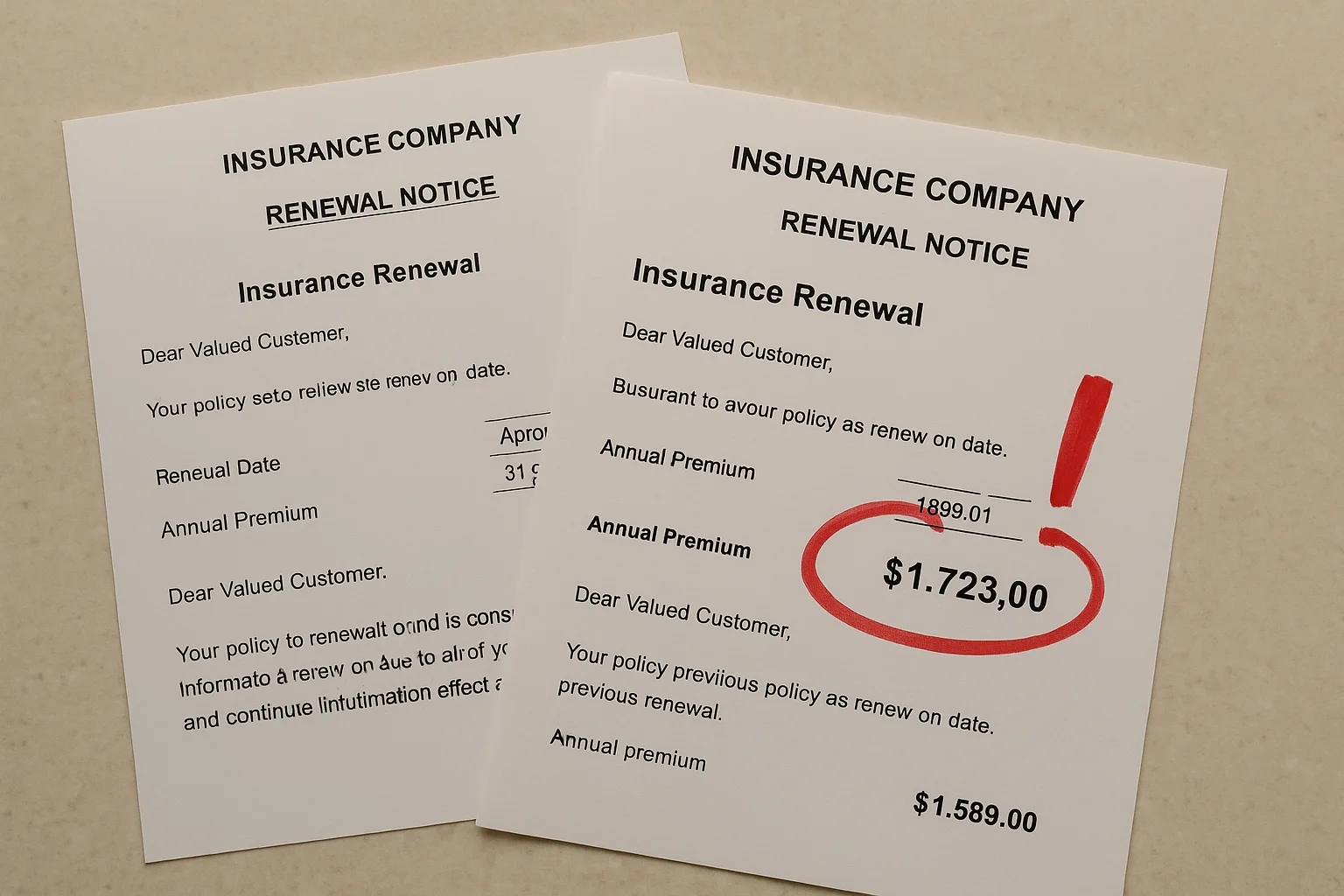
New 2026 data shows auto insurance monthly payment plans cost drivers $150-$300 extra yearly. Here's exactl...
Umbrella insurance is a form of liability coverage that provides additional protection beyond your standard policies. It is designed to safeguard your assets from catastrophic claims or lawsuits. Generally, it kicks in when your basic liability limits are exceeded, offering coverage typically starting at $1 million.
You may want to consider umbrella insurance if you have considerable assets, own a home, or engage in activities that could lead to potential lawsuits. For example, if you own a rental property or have a swimming pool, your risk of liability increases. On the other hand, if you're a student with minimal assets, it may not be necessary.
Getting umbrella insurance involves a few key steps: 1. Assess your assets. This helps in deciding how much coverage you need. 2. Gather quotes from multiple insurers. Use comparison tools like Policygenius or Insure.com to find the best rates. 3. Understand the terms before signing anything.
The entire process can take anywhere from a few days to 15 days depending on the insurer’s requirements and your readiness to provide documentation. Typically, once you select a policy, coverage can begin immediately.
The cost of umbrella insurance varies widely based on several factors. Generally, you can expect to pay between $150 and $300 annually for a $1 million policy. Factors affecting the price include where you live, the amount of coverage you choose, and your risk profile. Higher coverage limits, like $2 million or $5 million, can increase premiums to about $500 per year. It's essential to understand what’s included in your policy, such as legal fees and damages, versus what might be extra, like certain exclusions.
According to Price-Quotes Research Lab data for San Antonio, TX, the average cost for Umbrella Insurance services ranges based on complexity, time of service, and provider experience. Prices in the San Antonio metropolitan area may differ from national averages due to local market conditions, licensing requirements, and seasonal demand. Data reflects verified quotes collected from licensed providers serving San Antonio as of October 2026.
Source: Price-Quotes Research Lab, QuoteZen San Antonio Market Report (2026). Methodology: Aggregated pricing data from verified, licensed providers. Sample covers the San Antonio, TX metropolitan area.
Price-Quotes Research Lab data shows that we currently have no pricing data available for insurance services in San Antonio. However, understanding the local landscape is crucial for future analysis. Homeowners in areas like Alamo Heights, known for its historic homes and high property values, may face different insurance needs compared to those residing in the more contemporary neighborhoods of Stone Oak. The diverse housing stock, ranging from pre-war homes in Monte Vista to the prevalent stucco homes common in areas like the Medical Center, necessitates a nuanced approach to insurance coverage. The city's infrastructure, including areas prone to flooding near the San Antonio River, also plays a significant role in risk assessment. A comprehensive understanding of the City of San Antonio's Development Services Department regulations, which oversee building permits, is also essential. Analyzing future data will allow us to assess how these factors influence insurance costs and coverage.
Our pricing data currently lacks seasonal information for San Antonio. However, considering the local climate, we can anticipate potential fluctuations. For example, during the peak of hurricane season, typically from June through November, we might see a premium on insurance rates due to the increased risk of property damage from tropical storms. This coincides with the city's Fiesta celebrations in April, where increased foot traffic and potential for property damage could also affect rates. Future data analysis will clarify the exact percentage changes during these periods. San Antonio’s scorching summers, with temperatures frequently exceeding 100 degrees, could also impact rates due to increased AC usage and related electrical issues.
Without current price data, we can only speculate on the cost of insurance services in San Antonio. Nationally, the average cost for homeowners insurance is approximately $1,400 per year. Factors like the city's moderate cost of living index and the relatively high density of insurance providers along highways like I-10 and 410 could lead to competitive pricing. However, the potential for severe weather, including hail and flooding, common in the Texas Hill Country, might also influence costs. The need for specialized coverage for older homes in areas like Tobin Hill, with their distinct architectural styles, may also drive up expenses. We anticipate that future data will allow us to compare local prices to the national average and identify specific cost drivers.
Price-Quotes Research Lab • Anonymous • Helps set better industry standards
How would you rate your most recent Umbrella Insurance experience?
What was the biggest issue? (pick one)
How much did you pay? (rough estimate is fine)
Thanks! Here's what others in San Antonio reported:
Price-Quotes Research Lab San Antonio Consumer Satisfaction Survey • Anonymous • Ongoing
Price-Quotes Research Lab • What should EVERY provider do? • 10 seconds
Which should be MANDATORY for all financial service providers? (pick all that apply)
Great picks! Here's what San Antonio consumers agree on:
Price-Quotes Research Lab — "What Consumers Want" Standards Report • San Antonio, TX
Price-Quotes Research Lab • Quick trade-offs • Helps providers improve
Would you pay a higher rate/fee if it guaranteed...
Interesting! Here's how San Antonio residents feel:
Price-Quotes Research Lab — Consumer Willingness-to-Pay Study • San Antonio Metro