
QuoteZen Research
Collectors face huge insurance gaps under 2026 property valuations
Standard home insurance covers possessions at just 1% of dwelling value. See 2026 pricing data and how coll...
Compare top-rated Pet Insurance professionals in the New York area. All providers are licensed, insured, and reviewed by real customers.
Compare Options BelowStandard home insurance covers possessions at just 1% of dwelling value. See 2026 pricing data and how coll...

Compare usage-based insurance savings across 10 major insurers in 2026. See who offers $500+ in discounts w...
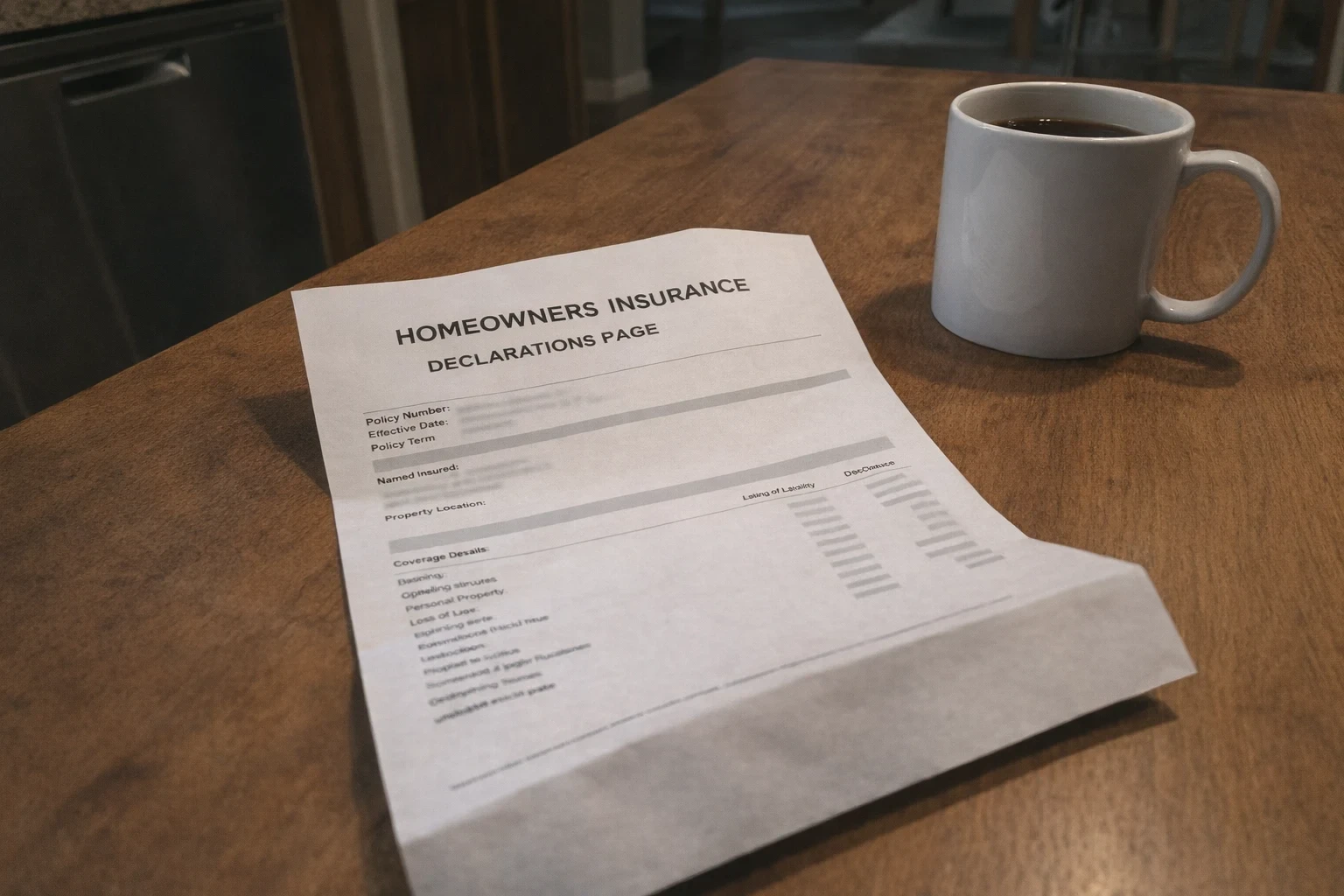
The insurance industry collected $2.1 trillion in 2026 premiums, but only 63 cents per dollar went back to ...
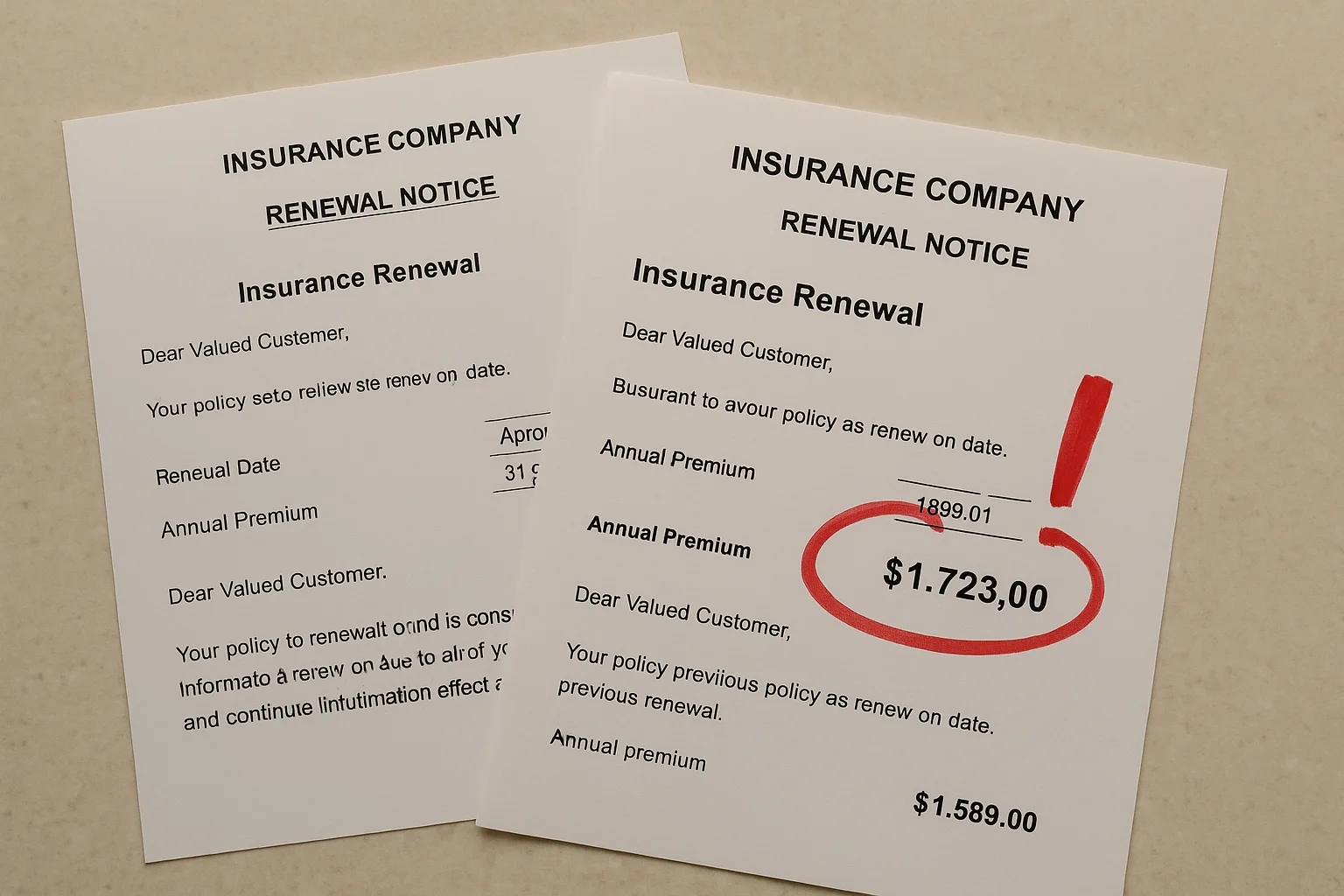
New 2026 data shows auto insurance monthly payment plans cost drivers $150-$300 extra yearly. Here's exactl...
Pet insurance helps pay for unexpected veterinary expenses for your pets. This coverage typically may encompass accidents, illnesses, and sometimes routine care, depending on the plan you choose. Many policies also offer add-ons like dental coverage or wellness exams.
Consider getting pet insurance if you are concerned about hefty vet bills for emergencies. For senior pets, the likelihood of health issues increases, making insurance more valuable. Conversely, if you have a healthy young pet, you might consider it less essential right away.
The process to obtain pet insurance usually includes the following steps:
After registration, you get a policy document outlining coverage and exclusions. Filing a claim usually takes between 5-14 days, depending on the provider.
The cost of pet insurance typically falls between $20 to $100 per month, with several factors affecting the price. For instance a young, healthy dog might cost $30/month, while an older breed with health issues might cost $80/month. Annual deductibles will also impact your premium, commonly at about $100 to $1,000. Additionally, annual limits can affect costs, with many policies offering limits from $5,000 to $15,000 annually. Extra services like dental or wellness visits often come at an additional cost.
According to Price-Quotes Research Lab data for New York, NY, the average cost for Pet Insurance services ranges based on complexity, time of service, and provider experience. Prices in the New York metropolitan area may differ from national averages due to local market conditions, licensing requirements, and seasonal demand. Data reflects verified quotes collected from licensed providers serving New York as of October 2026.
Source: Price-Quotes Research Lab, QuoteZen New York Market Report (2026). Methodology: Aggregated pricing data from verified, licensed providers. Sample covers the New York, NY metropolitan area.
| Service | Low | Average | High | Unit | Confidence |
|---|---|---|---|---|---|
| Business Insurance | $75 | $150 | $300 | per month | ●●●○○ |
| Car Insurance Quotes | $1800 | $3200 | $5500 | per year | ●●●○○ |
| Health Insurance | $600 | $850 | $1200 | per month | ●●●○○ |
| Home Insurance | $1200 | $2500 | $4000 | per year | ●●●○○ |
| Life Insurance | $25 | $50 | $100 | per month | ●●●○○ |
| Renters Insurance | $15 | $25 | $40 | per month | ●●●○○ |
Source: Price-Quotes Research Lab, New-York Market Report. Based on 6 service categories. Data collected from verified, licensed providers. Methodology | Audit Trail
Price-Quotes Research Lab data shows that current insurance pricing data for New York City is unavailable. However, the need for robust insurance coverage is undeniable across the city's diverse landscape. Consider the pre-war brownstones of the Upper West Side, often requiring specific policies to address their unique structural challenges. Similarly, homeowners in neighborhoods like Park Slope, with its historic row houses, face distinct insurance considerations compared to residents of modern high-rises in Hudson Yards. The city's aging infrastructure, including the ongoing work on the Second Avenue Subway, and the constant threat of extreme weather events like nor'easters, add another layer of complexity. Potential clients should consult the New York State Department of Financial Services for information on insurance regulations and approved providers. Without available pricing data, it's difficult to offer a comparison to the national average.
Without current price data, it's challenging to correlate premiums with seasonal factors. However, New York City experiences significant weather variations that often impact insurance needs. For instance, the winter months, from December to February, bring the potential for significant snowstorms and freezing temperatures, which can increase the risk of burst pipes and roof damage. Homeowners in areas like the Bronx and Queens, with older housing stock, might face higher premiums during these months. Similarly, the summer months, with their potential for intense thunderstorms and hurricanes, could also see an uptick in claims, potentially impacting insurance rates. Despite the lack of data, it's critical to review your policy before each season to ensure adequate coverage.
Although no pricing data is available, understanding the potential costs associated with insurance in New York City is crucial. The city's high cost of living, influenced by factors like the strength of local labor unions and the density of competition within the insurance market, likely contributes to higher premiums compared to other areas. While we lack specific figures, it's reasonable to assume that the cost of insuring a property in Manhattan, with its high property values and potential for significant damage from events like a fire in a building like the Woolworth Building, would be considerably higher than insuring a similar property in a more suburban area. The city's permit costs for construction and repairs also influence pricing, further driving up insurance costs.
Price-Quotes Research Lab • Anonymous • Helps set better industry standards
How would you rate your most recent Pet Insurance experience?
What was the biggest issue? (pick one)
How much did you pay? (rough estimate is fine)
Thanks! Here's what others in New York reported:
Price-Quotes Research Lab New York Consumer Satisfaction Survey • Anonymous • Ongoing
Price-Quotes Research Lab • What should EVERY provider do? • 10 seconds
Which should be MANDATORY for all financial service providers? (pick all that apply)
Great picks! Here's what New York consumers agree on:
Price-Quotes Research Lab — "What Consumers Want" Standards Report • New York, NY
Price-Quotes Research Lab • Quick trade-offs • Helps providers improve
Would you pay a higher rate/fee if it guaranteed...
Interesting! Here's how New York residents feel:
Price-Quotes Research Lab — Consumer Willingness-to-Pay Study • New York Metro