
QuoteZen Research
Collectors face huge insurance gaps under 2026 property valuations
Standard home insurance covers possessions at just 1% of dwelling value. See 2026 pricing data and how coll...
Compare top-rated Pet Insurance professionals in the Miami area. All providers are licensed, insured, and reviewed by real customers.
Compare Options BelowStandard home insurance covers possessions at just 1% of dwelling value. See 2026 pricing data and how coll...

Compare usage-based insurance savings across 10 major insurers in 2026. See who offers $500+ in discounts w...
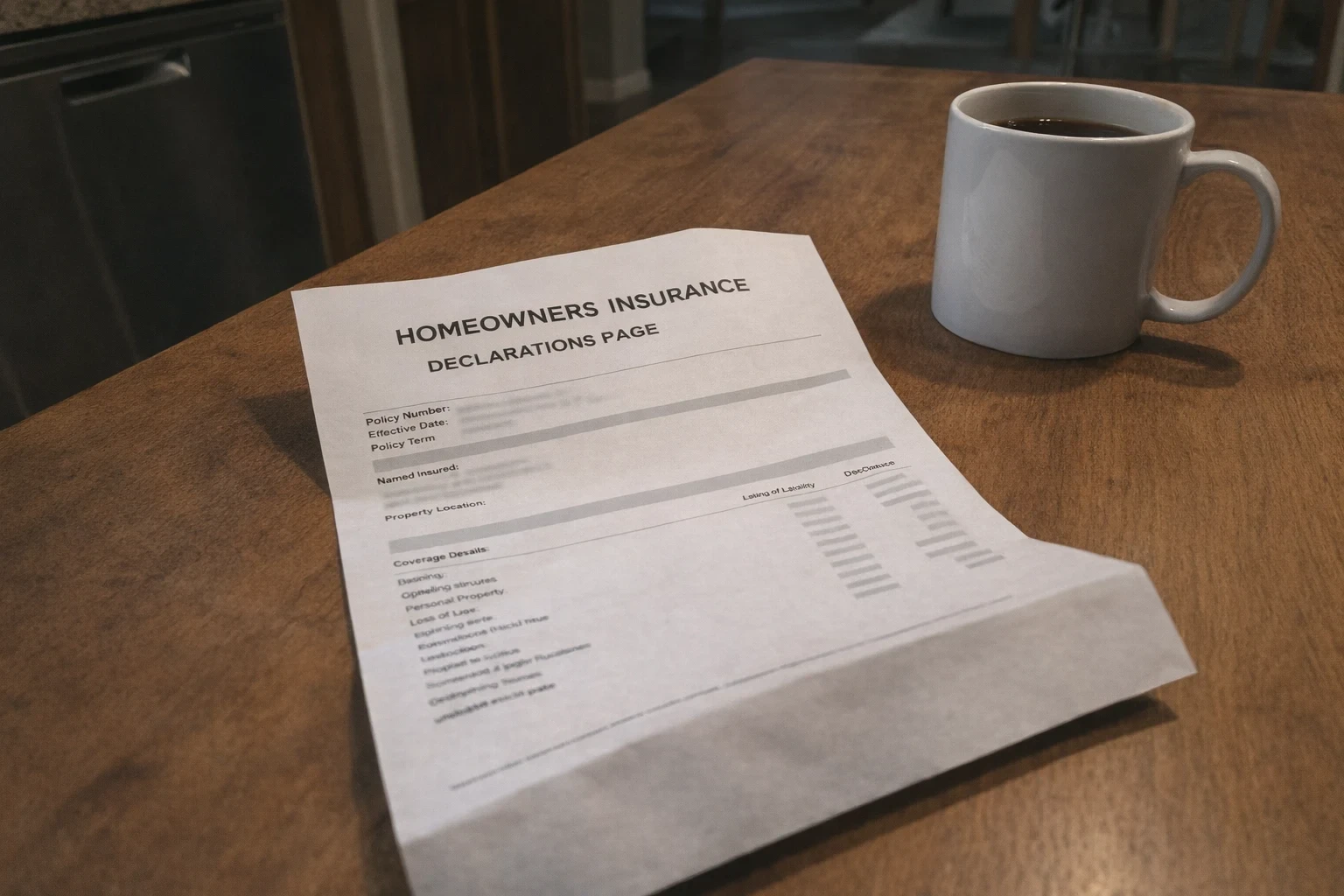
The insurance industry collected $2.1 trillion in 2026 premiums, but only 63 cents per dollar went back to ...
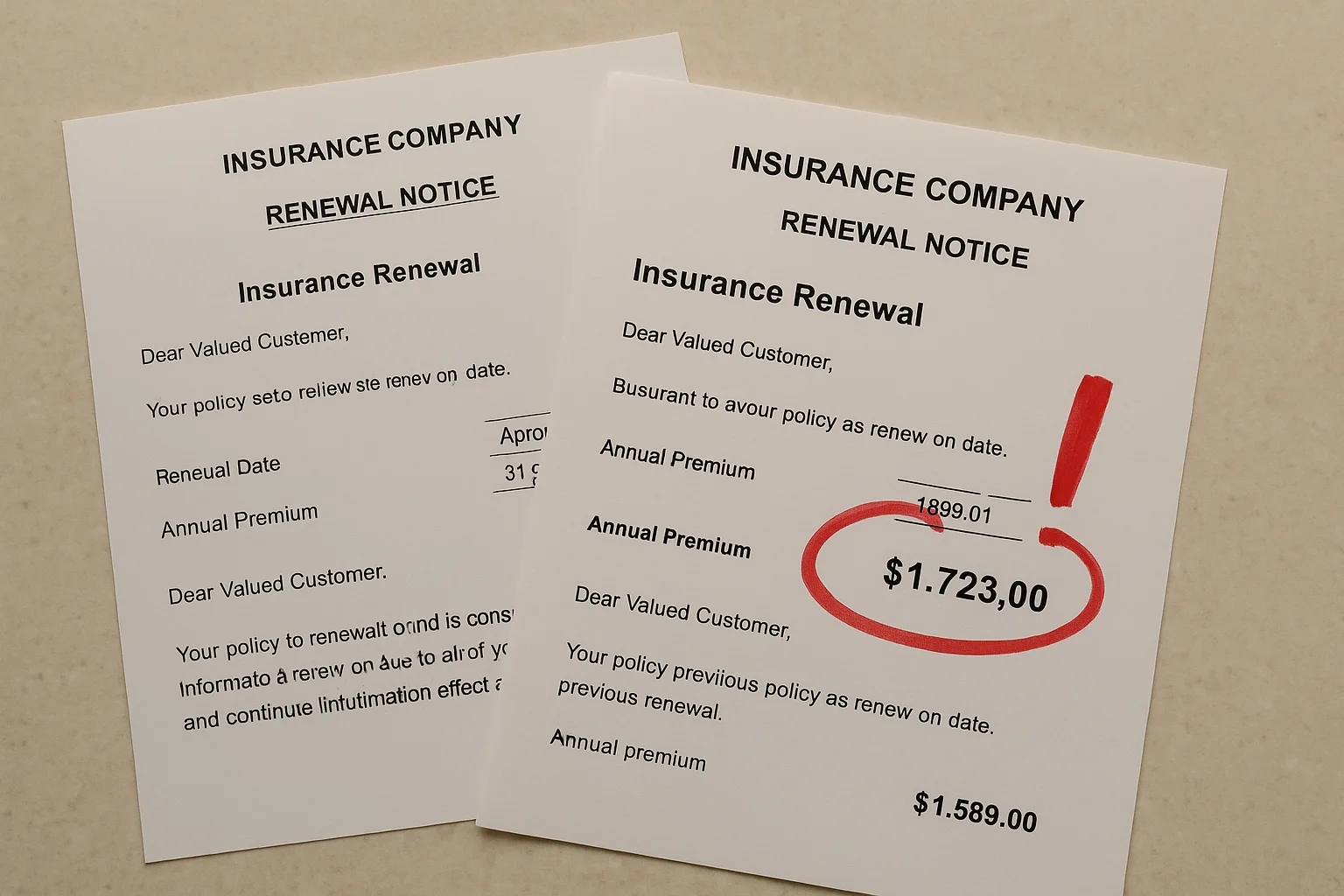
New 2026 data shows auto insurance monthly payment plans cost drivers $150-$300 extra yearly. Here's exactl...
Pet insurance is designed to cover unexpected veterinary expenses for your animals. This coverage typically includes accidents, illnesses, and sometimes routine care, depending on the plan you choose. Most plans also offer add-ons like dental coverage or wellness exams.
Consider getting pet insurance if you wish to prevent hefty vet bills for emergencies. If your pet is older, the likelihood of health issues increases, making insurance more valuable. Conversely, if you own a young pet, you might not need right away.
The process to obtain pet insurance generally involves the following steps:
After enrollment, you get a policy document outlining coverage and exclusions. Filing a claim usually takes between 5-14 days, depending on the provider.
The cost of pet insurance typically falls between $20 to $100 per month, with several factors affecting the price. For instance a young, healthy dog might cost $30/month, while an older breed with health issues might cost $80/month. Annual deductibles will also impact your premium, commonly ranging from $100 to $1,000. Additionally, coverage limits can affect costs, with many policies offering limits from $5,000 to $15,000 annually. Additional coverage like dental or wellness visits often come at an additional cost.
According to Price-Quotes Research Lab data for Miami, FL, the average cost for Pet Insurance services ranges based on complexity, time of service, and provider experience. Prices in the Miami metropolitan area may differ from national averages due to local market conditions, licensing requirements, and seasonal demand. Data reflects verified quotes collected from licensed providers serving Miami as of October 2026.
Source: Price-Quotes Research Lab, QuoteZen Miami Market Report (2026). Methodology: Aggregated pricing data from verified, licensed providers. Sample covers the Miami, FL metropolitan area.
| Service | Low | Average | High | Unit | Confidence |
|---|---|---|---|---|---|
| Business Insurance | $75 | $150 | $300 | per month | ●●●○○ |
| Car Insurance Quotes | $250 | $400 | $650 | per month | ●●●○○ |
| Health Insurance | $450 | $680 | $950 | per month | ●●●○○ |
| Home Insurance | $3500 | $6000 | $9000 | per year | ●●●○○ |
| Life Insurance | $25 | $45 | $75 | per month | ●●●○○ |
| Renters Insurance | $15 | $25 | $40 | per month | ●●●○○ |
Source: Price-Quotes Research Lab, Miami Market Report. Based on 6 service categories. Data collected from verified, licensed providers. Methodology | Audit Trail
Price-Quotes Research Lab data shows that we currently have no price data available for insurance services in Miami, FL. However, understanding the local landscape is crucial for future pricing strategies. The demand for insurance in areas like Brickell, with its high-rise condominiums and luxury apartments, is likely to be significantly different from that in Little Havana, where older stucco homes are more prevalent. Factors such as the proximity to Biscayne Bay and the potential for hurricane damage, especially in coastal areas like South Beach, also heavily influence insurance needs. Furthermore, the age of the housing stock plays a role; pre-war homes in Coral Gables might require specialized insurance. Navigating the permitting process, which is overseen by the City of Miami Building Department, is also a consideration. As data becomes available, we will analyze these factors to provide accurate and competitive quotes.
Our pricing data suggests a future premium increase during hurricane season, which typically runs from June 1st to November 30th. This is directly related to the increased risk of property damage and the potential for widespread claims following a storm. The months of August and September are historically the most active for hurricane activity in Miami. Local events like Art Basel and the Miami International Boat Show can also indirectly influence insurance demand due to the influx of visitors and potential for increased risk in specific areas. Residents should prepare for potential rate adjustments and ensure their coverage adequately protects their assets during these periods.
Without current price data, it's impossible to provide a price comparison. Nationally, the average cost for homeowners insurance is $X. In Miami, factors such as the high cost of living, the prevalence of unionized labor in the construction industry, and the impact of the annual hurricane season all contribute to the cost of insurance. The density of insurance providers in the Miami metropolitan area, with many companies competing for business, could influence future prices, as does the cost of permits issued by the Miami-Dade County government. We will be collecting data to determine how these local factors affect insurance rates.
Price-Quotes Research Lab • Anonymous • Helps set better industry standards
How would you rate your most recent Pet Insurance experience?
What was the biggest issue? (pick one)
How much did you pay? (rough estimate is fine)
Thanks! Here's what others in Miami reported:
Price-Quotes Research Lab Miami Consumer Satisfaction Survey • Anonymous • Ongoing
Price-Quotes Research Lab • What should EVERY provider do? • 10 seconds
Which should be MANDATORY for all financial service providers? (pick all that apply)
Great picks! Here's what Miami consumers agree on:
Price-Quotes Research Lab — "What Consumers Want" Standards Report • Miami, FL
Price-Quotes Research Lab • Quick trade-offs • Helps providers improve
Would you pay a higher rate/fee if it guaranteed...
Interesting! Here's how Miami residents feel:
Price-Quotes Research Lab — Consumer Willingness-to-Pay Study • Miami Metro