
QuoteZen Research
Collectors face huge insurance gaps under 2026 property valuations
Standard home insurance covers possessions at just 1% of dwelling value. See 2026 pricing data and how coll...
Compare top-rated Life Insurance professionals in the San Diego area. All providers are licensed, insured, and reviewed by real customers.
Compare Options BelowStandard home insurance covers possessions at just 1% of dwelling value. See 2026 pricing data and how coll...

Compare usage-based insurance savings across 10 major insurers in 2026. See who offers $500+ in discounts w...

The insurance industry collected $2.1 trillion in 2026 premiums, but only 63 cents per dollar went back to ...
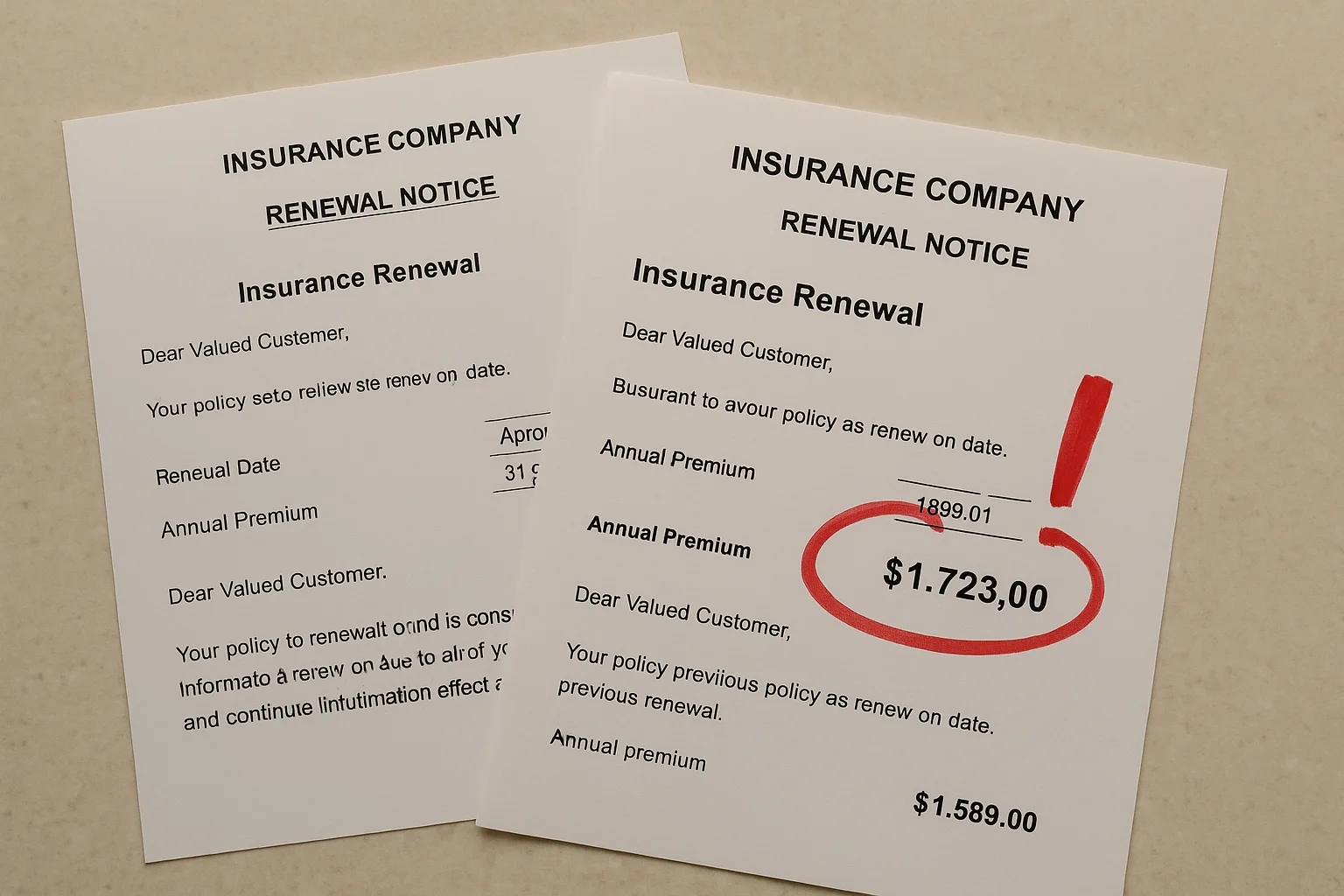
New 2026 data shows auto insurance monthly payment plans cost drivers $150-$300 extra yearly. Here's exactl...
Life insurance offers financial protection for your loved ones if you pass away. There are primarily two types: fixed term and whole life insurance. Term policies covers you for a specific period, often ranging from 10 to 30 years, while permanent life provides coverage for your entire life, accumulating cash value over time.
Consider getting life insurance if you support dependents such as children, a spouse, or aging parents. If you carry debts that would burden others after your passing, life insurance is crucial. Conversely, if you're single with no dependents or debt, it might not be necessary this coverage.
The process typically starts with researching different policies and providers. You’ll fill out an application, which often includes health questions and lifestyle details. Know that a medical exam may be required, especially for larger policies. After underwriting, you’ll receive a quote, and after approval, you can begin your coverage. The entire process can take anywhere from one to two weeks depending on the insurer.
Life insurance costs can vary widely based on factors such as age, health, coverage amount, and type of policy. Generally, term life insurance can cost as low as $20/month for a healthy 30-year-old, while whole life could start at $100/month and go up significantly from there. Usually, a healthy 40-year-old might pay around $50 to $70 per month for a $500,000 term policy.
Factors that can increase costs include cigarette consumption, high-risk occupations, and pre-existing health conditions. When comparing quotes, be sure to consider what’s included, such as riders, and what might be extra, like surcharges.
According to Price-Quotes Research Lab data for San Diego, CA, the average cost for Life Insurance services ranges based on complexity, time of service, and provider experience. Prices in the San Diego metropolitan area may differ from national averages due to local market conditions, licensing requirements, and seasonal demand. Data reflects verified quotes collected from licensed providers serving San Diego as of October 2026.
Source: Price-Quotes Research Lab, QuoteZen San Diego Market Report (2026). Methodology: Aggregated pricing data from verified, licensed providers. Sample covers the San Diego, CA metropolitan area.
| Service | Low | Average | High | Unit | Confidence |
|---|---|---|---|---|---|
| Business Insurance | $75 | $150 | $300 | per month | ●●●○○ |
| Car Insurance Quotes | $150 | $250 | $400 | per month | ●●●○○ |
| Health Insurance | $450 | $680 | $950 | per month | ●●●○○ |
| Home Insurance | $1800 | $2500 | $3500 | per year | ●●●○○ |
| Life Insurance | $25 | $55 | $120 | per month | ●●●○○ |
| Renters Insurance | $15 | $25 | $40 | per month | ●●●○○ |
Source: Price-Quotes Research Lab, San-Diego Market Report. Based on 6 service categories. Data collected from verified, licensed providers. Methodology | Audit Trail
Price-Quotes Research Lab data does not yet have price data available for insurance services in San Diego. However, understanding the local landscape is crucial. San Diego's diverse neighborhoods, from the historic Victorian homes of Coronado to the modern condos of the Gaslamp Quarter, present varied insurance needs. The prevalence of stucco homes, particularly in areas like La Jolla and Pacific Beach, often requires specific coverage for potential water damage from the coastal climate. Moreover, the city's proximity to the US-Mexico border and its bustling port necessitate an awareness of unique risk factors. While we lack specific pricing data, the high cost of living in San Diego, coupled with potential seismic activity along the Rose Canyon fault, likely influences insurance premiums. Ultimately, the absence of data emphasizes the need for personalized quotes tailored to specific neighborhood characteristics and property types.
Our pricing data is not available yet, but we can anticipate seasonal fluctuations based on local conditions. For instance, while we don't have data, a potential rise in premiums might be expected during the fall months due to the increased risk of wildfires, especially in areas bordering the Cleveland National Forest. This is particularly relevant for residents in neighborhoods like Rancho Bernardo and Scripps Ranch. Conversely, the mild winters in San Diego might contribute to relatively stable rates. Be prepared for potential increases around the start of the hurricane season, as even though San Diego is not directly hit by hurricanes, the overall risk in the region impacts the market.
Without specific price data, it's impossible to provide exact price comparisons. However, the cost of insurance in San Diego is likely influenced by factors like the high cost of living index. Compared to the national average, it's reasonable to expect premiums to be higher, reflecting the local labor costs and building material expenses. For example, if the national average for homeowner's insurance is $X, the San Diego rate would likely exceed that due to the increased risk of natural disasters and the high property values in areas like Del Mar and the coastal communities. The presence of numerous insurance providers in the area, from large national companies to local brokers, creates a competitive market that could potentially offset some of the higher costs, but without concrete figures, this remains speculative.
Price-Quotes Research Lab • Anonymous • Helps set better industry standards
How would you rate your most recent Life Insurance experience?
What was the biggest issue? (pick one)
How much did you pay? (rough estimate is fine)
Thanks! Here's what others in San Diego reported:
Price-Quotes Research Lab San Diego Consumer Satisfaction Survey • Anonymous • Ongoing
Price-Quotes Research Lab • What should EVERY provider do? • 10 seconds
Which should be MANDATORY for all financial service providers? (pick all that apply)
Great picks! Here's what San Diego consumers agree on:
Price-Quotes Research Lab — "What Consumers Want" Standards Report • San Diego, CA
Price-Quotes Research Lab • Quick trade-offs • Helps providers improve
Would you pay a higher rate/fee if it guaranteed...
Interesting! Here's how San Diego residents feel:
Price-Quotes Research Lab — Consumer Willingness-to-Pay Study • San Diego Metro