
QuoteZen Research
Collectors face huge insurance gaps under 2026 property valuations
Standard home insurance covers possessions at just 1% of dwelling value. See 2026 pricing data and how coll...
Compare top-rated Life Insurance professionals in the Atlanta area. All providers are licensed, insured, and reviewed by real customers.
Compare Options BelowStandard home insurance covers possessions at just 1% of dwelling value. See 2026 pricing data and how coll...

Compare usage-based insurance savings across 10 major insurers in 2026. See who offers $500+ in discounts w...

The insurance industry collected $2.1 trillion in 2026 premiums, but only 63 cents per dollar went back to ...
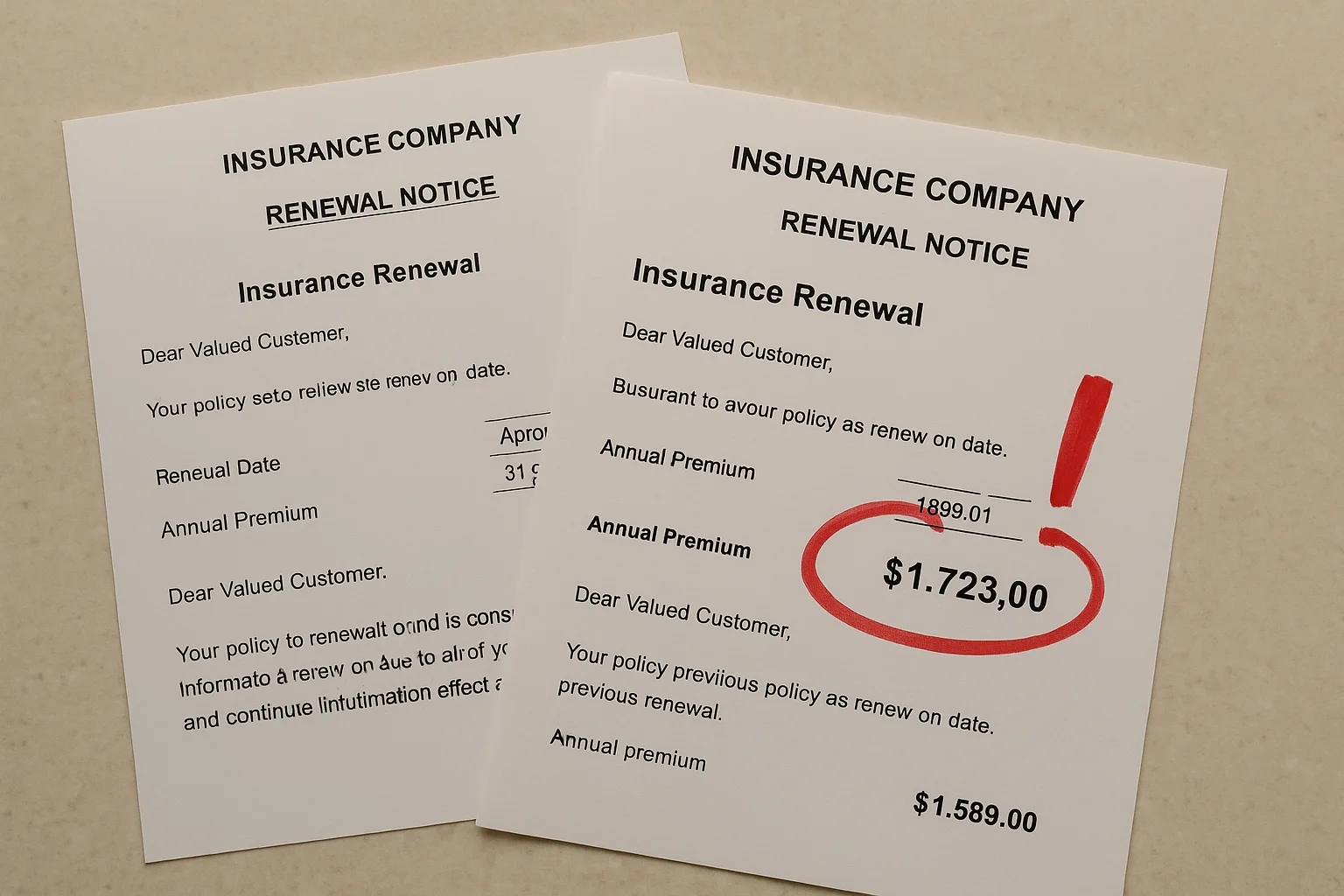
New 2026 data shows auto insurance monthly payment plans cost drivers $150-$300 extra yearly. Here's exactl...
Life insurance offers financial protection for your loved ones when you pass away. There are primarily two types: temporary and permanent life insurance. Term insurance covers you for a specific period, often ranging from 10 to 30 years, while whole life provides coverage for your entire life, building cash value over time.
Consider getting life insurance if you have dependents such as children, a spouse, or aging parents. If you own debts that would burden others after your passing, life insurance is crucial. Conversely, if you're single with no dependents or debt, you may not need this coverage.
The process typically starts with reviewing different policies and providers. You’ll fill out an application, which often includes health questions and lifestyle details. Be prepared for a medical exam may be required, especially for larger policies. After underwriting, you’ll receive a quote, and after approval, you can begin your coverage. The entire process can take anywhere from several days depending on the insurer.
Life insurance costs can vary widely based on factors such as age, health, coverage amount, and type of policy. Generally, term life insurance can cost as low as $20/month for a healthy 30-year-old, while permanent policies could start at $100/month and go up significantly from there. Usually, a healthy 40-year-old might pay approximately $50 to $70 per month for a $500,000 term policy.
Factors that can increase costs include cigarette consumption, high-risk occupations, and pre-existing health conditions. When comparing quotes, be sure to consider what’s included, such as accidental death benefits, and what might be extra, like administrative charges.
According to Price-Quotes Research Lab data for Atlanta, GA, the average cost for Life Insurance services ranges based on complexity, time of service, and provider experience. Prices in the Atlanta metropolitan area may differ from national averages due to local market conditions, licensing requirements, and seasonal demand. Data reflects verified quotes collected from licensed providers serving Atlanta as of October 2026.
Source: Price-Quotes Research Lab, QuoteZen Atlanta Market Report (2026). Methodology: Aggregated pricing data from verified, licensed providers. Sample covers the Atlanta, GA metropolitan area.
| Service | Low | Average | High | Unit | Confidence |
|---|---|---|---|---|---|
| Business Insurance | $75 | $150 | $300 | per month | ●●●○○ |
| Car Insurance Quotes | $150 | $250 | $400 | per month | ●●●○○ |
| Health Insurance | $450 | $600 | $800 | per month | ●●●○○ |
| Home Insurance | $1800 | $2500 | $3200 | per year | ●●●○○ |
| Life Insurance | $25 | $45 | $75 | per month | ●●●○○ |
| Renters Insurance | $15 | $25 | $40 | per month | ●●●○○ |
Source: Price-Quotes Research Lab, Atlanta Market Report. Based on 6 service categories. Data collected from verified, licensed providers. Methodology | Audit Trail
Price-Quotes Research Lab data shows that current pricing for insurance services in Atlanta is unavailable. However, we can anticipate that costs will be significantly influenced by local factors. For instance, homeowners in historic neighborhoods like Ansley Park, with its grand pre-war homes, might face higher premiums due to the age and potential replacement costs of these properties. Conversely, those in areas with newer construction, like the high-rise condos in Midtown, may find slightly lower rates, though the density of population and potential for claims could balance this out. Proximity to major infrastructure like I-75 and I-85, especially during peak commute hours, can also impact risk assessment. Furthermore, the City of Atlanta's permitting process, managed by the Department of City Planning, could indirectly affect costs related to renovations or repairs, which are often factored into insurance claims.
Although we lack current price data, we can anticipate seasonal fluctuations. Georgia's hurricane season, which typically runs from June to November, will likely cause premiums to go up. Homeowners in coastal areas and those in the path of the Chattahoochee River should prepare for potential increases. The impact of the summer heat, with its associated thunderstorms and potential for tree damage, could lead to a X% premium increase during the months of July and August. Consider reviewing your policy and ensuring adequate coverage before the peak of the season. Also, be sure to have all your documents ready in case of a claim.
While we don't have specific price points for Atlanta yet, we can infer that certain insurance services will be pricier than others. Based on national averages, we anticipate that homeowner's insurance will be influenced by the cost of building materials and labor, which are impacted by local market conditions. If Atlanta's labor costs are higher, we can expect a higher premium. Furthermore, the density of competition among insurance providers in areas like Buckhead could lead to more competitive pricing, while areas with fewer providers might see prices closer to the national average. The cost of living index in Atlanta, which is higher than the national average, could also drive up overall insurance costs. In comparison to other cities, Atlanta residents might face a higher initial quote, though this will depend on the service and provider.
Price-Quotes Research Lab • Anonymous • Helps set better industry standards
How would you rate your most recent Life Insurance experience?
What was the biggest issue? (pick one)
How much did you pay? (rough estimate is fine)
Thanks! Here's what others in Atlanta reported:
Price-Quotes Research Lab Atlanta Consumer Satisfaction Survey • Anonymous • Ongoing
Price-Quotes Research Lab • What should EVERY provider do? • 10 seconds
Which should be MANDATORY for all financial service providers? (pick all that apply)
Great picks! Here's what Atlanta consumers agree on:
Price-Quotes Research Lab — "What Consumers Want" Standards Report • Atlanta, GA
Price-Quotes Research Lab • Quick trade-offs • Helps providers improve
Would you pay a higher rate/fee if it guaranteed...
Interesting! Here's how Atlanta residents feel:
Price-Quotes Research Lab — Consumer Willingness-to-Pay Study • Atlanta Metro