
QuoteZen Research
Collectors face huge insurance gaps under 2026 property valuations
Standard home insurance covers possessions at just 1% of dwelling value. See 2026 pricing data and how coll...
Compare top-rated Home Insurance professionals in the Portland area. All providers are licensed, insured, and reviewed by real customers.
Compare Options BelowStandard home insurance covers possessions at just 1% of dwelling value. See 2026 pricing data and how coll...

Compare usage-based insurance savings across 10 major insurers in 2026. See who offers $500+ in discounts w...
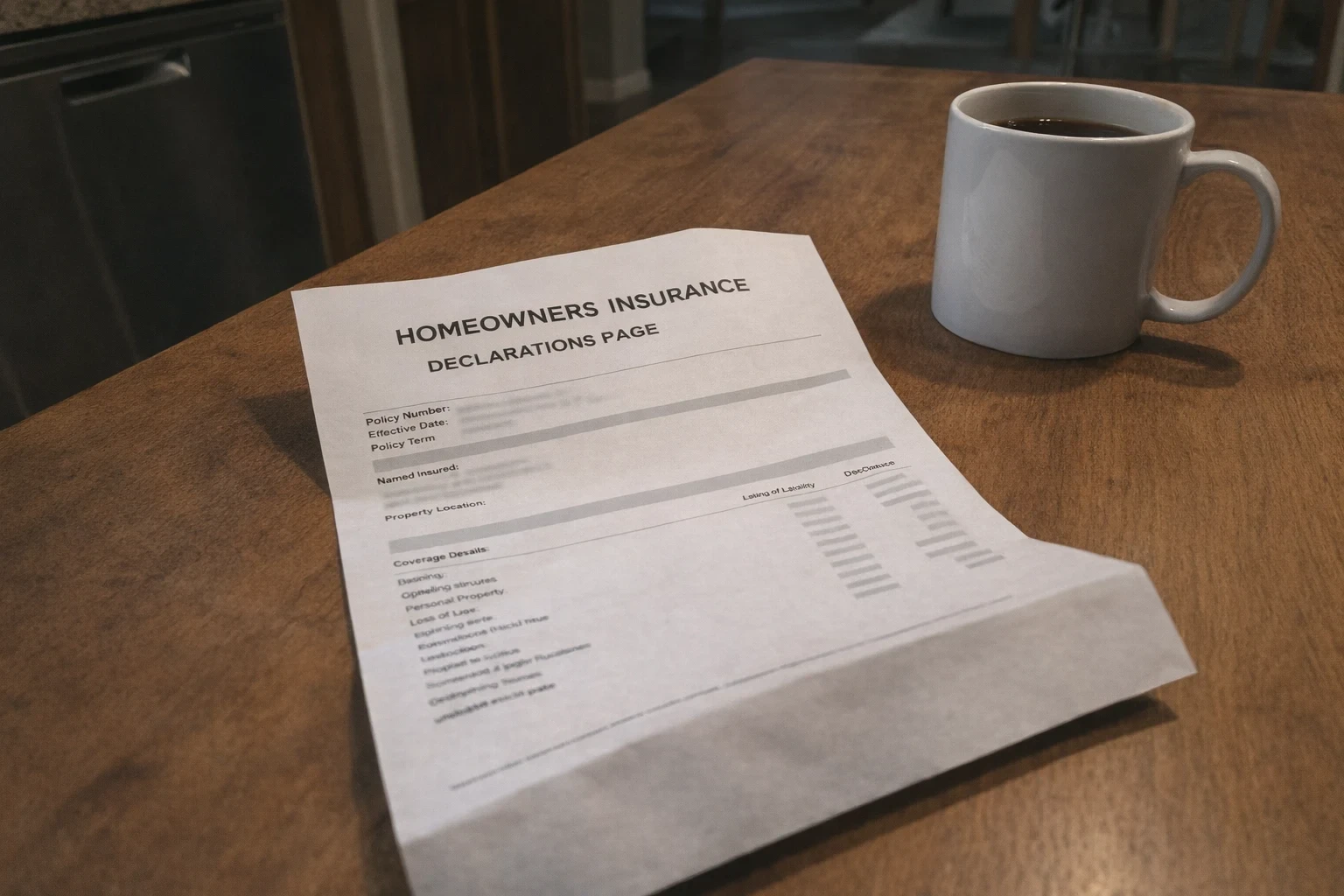
The insurance industry collected $2.1 trillion in 2026 premiums, but only 63 cents per dollar went back to ...
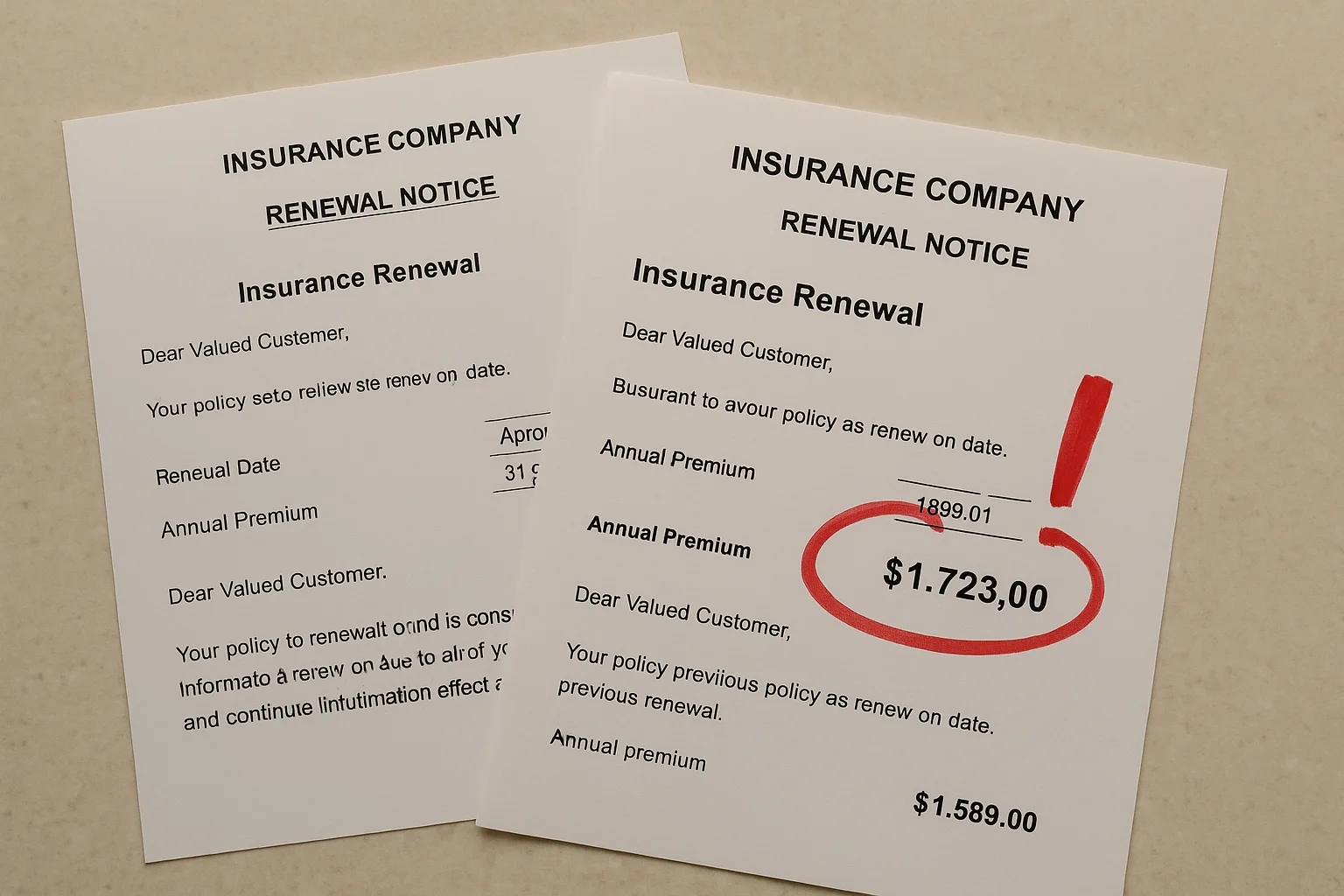
New 2026 data shows auto insurance monthly payment plans cost drivers $150-$300 extra yearly. Here's exactl...
Home insurance is designed to your property against various risks. It typically covers the structure and personal belongings, but not always natural disasters like floods or earthquakes, which may require separate policies.
You might need home insurance if you are purchasing a home. If you're renting, renters insurance could be a better fit, as it covers personal belongings without the need for property coverage. However, not every homeowner might decide against it if they live in a low-risk area.
Getting home insurance involves a few important stages. First, compile information about your property, like its age, location, and renovations. Next, shop around for different insurers to find the best policy. Get estimates from at least three companies, and review the coverage options carefully. Finally, choose a policy and make payment. This process typically takes up to a week, depending on the complexity of your needs.
The cost of home insurance can range significantly. On average, you might pay around $1,000 annually. Factors that affect pricing include the area you live in, the age of your home, and the level of coverage you select. Basic policies typically cover physical damage, while extras like flood or earthquake insurance will add to your premium. You might find deductibles ranging from 1% to $1,000 that you'll need to pay out-of-pocket before coverage kicks in.
According to Price-Quotes Research Lab data for Portland, OR, the average cost for Home Insurance services ranges based on complexity, time of service, and provider experience. Prices in the Portland metropolitan area may differ from national averages due to local market conditions, licensing requirements, and seasonal demand. Data reflects verified quotes collected from licensed providers serving Portland as of October 2026.
Source: Price-Quotes Research Lab, QuoteZen Portland Market Report (2026). Methodology: Aggregated pricing data from verified, licensed providers. Sample covers the Portland, OR metropolitan area.
| Service | Low | Average | High | Unit | Confidence |
|---|---|---|---|---|---|
| Business Insurance | $75 | $150 | $300 | per month | ●●●○○ |
| Car Insurance Quotes | $150 | $250 | $400 | per month | ●●●○○ |
| Health Insurance | $450 | $600 | $800 | per month | ●●●○○ |
| Home Insurance | $1200 | $1800 | $2500 | per year | ●●●○○ |
| Life Insurance | $25 | $50 | $100 | per month | ●●●○○ |
| Renters Insurance | $15 | $25 | $40 | per month | ●●●○○ |
Source: Price-Quotes Research Lab, Portland Market Report. Based on 6 service categories. Data collected from verified, licensed providers. Methodology | Audit Trail
Price-Quotes Research Lab data shows no price data is currently available for insurance services in Portland, OR. However, understanding the local landscape is crucial for anticipating future costs. Given Portland's diverse housing stock, from the historic pre-war brownstones of the Alphabet District to the mid-century ranch-style homes along the I-205 corridor, the age and construction of a home can significantly impact insurance needs. Proximity to the Willamette River and the potential for flooding, especially in areas like the Johns Landing neighborhood, also influences risk profiles. Furthermore, the city's commitment to sustainable building practices, with many new constructions in areas like the Pearl District, might lead to different insurance requirements compared to older structures. Future data will need to account for these nuances in Portland's unique market.
While no pricing data is currently available, Portland's weather patterns suggest potential seasonal impacts. The city experiences a rainy season from late fall through early spring, which could lead to an increased demand for property insurance claims related to water damage. Expect potential spikes in demand (and thus, potentially higher premiums) during peak rainfall months like November and December, and also during the summer months due to potential wildfires. Anticipate fluctuations tied to events like the Portland Rose Festival, as increased traffic could elevate the risk of vehicle accidents. Monitor local weather reports and be prepared for increased demand during these periods.
Although no price data is currently available, it's important to understand the factors that will ultimately shape the cost of insurance in Portland. The city's relatively high cost of living, compared to the national average, suggests that labor costs for repairs, a key component of insurance payouts, might be elevated. Furthermore, the presence of strong local unions in the construction industry could also drive up expenses. The number of insurance providers in the area will impact the price. Finally, the City of Portland's permitting process, which is handled by the Bureau of Development Services (BDS), can influence costs related to repairs and renovations. As data becomes available, we can anticipate a price comparison to national standards.
Price-Quotes Research Lab • Anonymous • Helps set better industry standards
How would you rate your most recent Home Insurance experience?
What was the biggest issue? (pick one)
How much did you pay? (rough estimate is fine)
Thanks! Here's what others in Portland reported:
Price-Quotes Research Lab Portland Consumer Satisfaction Survey • Anonymous • Ongoing
Price-Quotes Research Lab • What should EVERY provider do? • 10 seconds
Which should be MANDATORY for all financial service providers? (pick all that apply)
Great picks! Here's what Portland consumers agree on:
Price-Quotes Research Lab — "What Consumers Want" Standards Report • Portland, OR
Price-Quotes Research Lab • Quick trade-offs • Helps providers improve
Would you pay a higher rate/fee if it guaranteed...
Interesting! Here's how Portland residents feel:
Price-Quotes Research Lab — Consumer Willingness-to-Pay Study • Portland Metro