
QuoteZen Research
Collectors face huge insurance gaps under 2026 property valuations
Standard home insurance covers possessions at just 1% of dwelling value. See 2026 pricing data and how coll...
Compare top-rated Home Insurance professionals in the Minneapolis area. All providers are licensed, insured, and reviewed by real customers.
Compare Options BelowStandard home insurance covers possessions at just 1% of dwelling value. See 2026 pricing data and how coll...

Compare usage-based insurance savings across 10 major insurers in 2026. See who offers $500+ in discounts w...

The insurance industry collected $2.1 trillion in 2026 premiums, but only 63 cents per dollar went back to ...
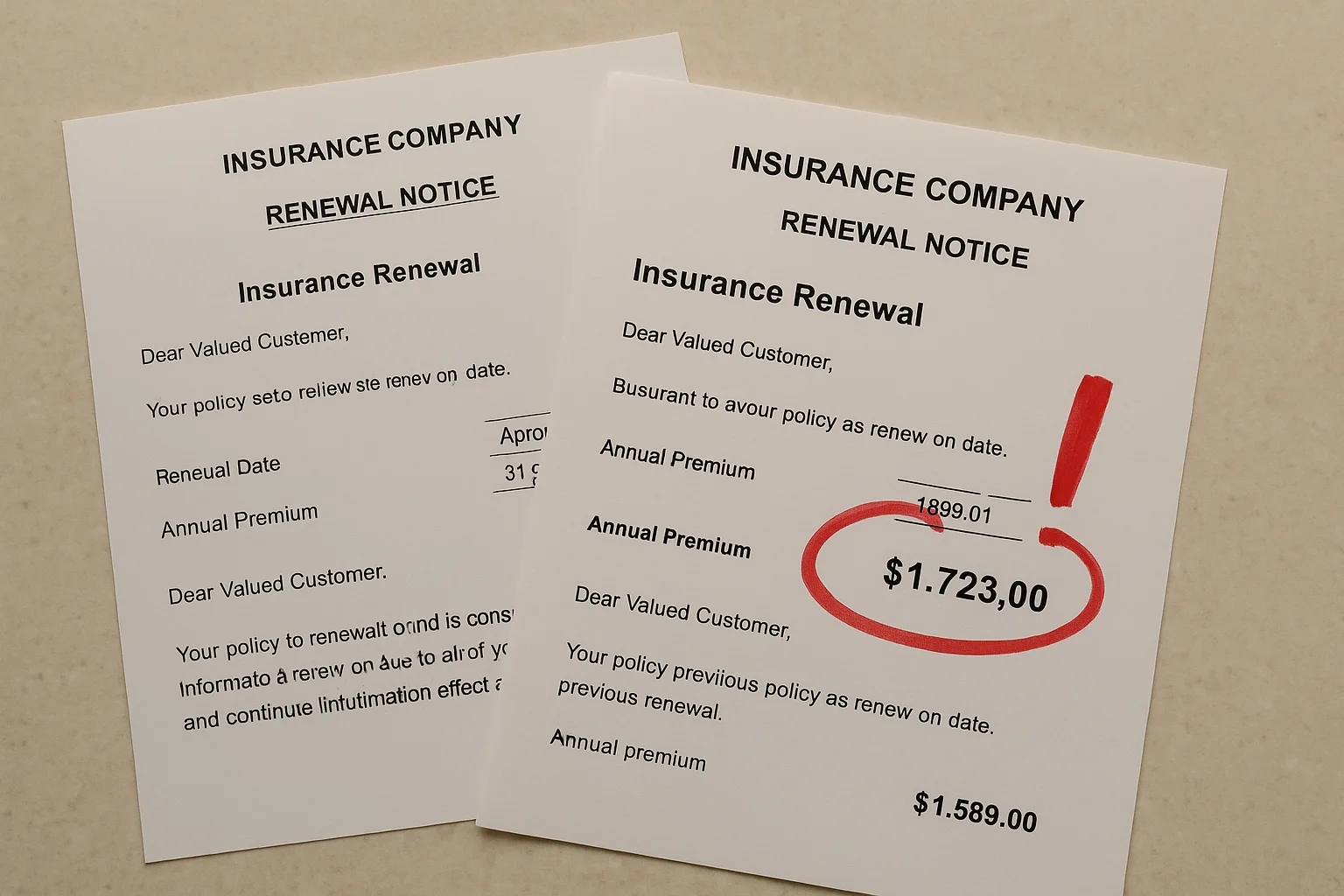
New 2026 data shows auto insurance monthly payment plans cost drivers $150-$300 extra yearly. Here's exactl...
Home insurance provides coverage for your property against various risks. It typically covers physical buildings and personal belongings, but not always natural disasters like floods or earthquakes, which may require separate policies.
You might need home insurance if you own a home. If you're renting, renters insurance could be a better fit, as it covers personal belongings without the need for property coverage. However, some homeowners might decide against it if they live in a low-risk area.
Getting home insurance involves a process. First, collect information about your property, like its age, location, and renovations. Next, shop around for different insurers to find the best policy. Request quotes from at least three companies, and review the coverage options carefully. Finally, decide on a policy and make payment. This process typically takes one to two days, depending on the complexity of your needs.
The cost of home insurance can range significantly. On average, you might pay around $1,000 annually. Factors that affect pricing include your home's location, the age of your home, and the level of coverage you select. Basic policies typically cover physical damage, while extras like flood or earthquake insurance will add to your premium. There are often deductibles ranging from 1% to $1,000 that you'll need to pay out-of-pocket before coverage kicks in.
According to Price-Quotes Research Lab data for Minneapolis, MN, the average cost for Home Insurance services ranges based on complexity, time of service, and provider experience. Prices in the Minneapolis metropolitan area may differ from national averages due to local market conditions, licensing requirements, and seasonal demand. Data reflects verified quotes collected from licensed providers serving Minneapolis as of October 2026.
Source: Price-Quotes Research Lab, QuoteZen Minneapolis Market Report (2026). Methodology: Aggregated pricing data from verified, licensed providers. Sample covers the Minneapolis, MN metropolitan area.
| Service | Low | Average | High | Unit | Confidence |
|---|---|---|---|---|---|
| Business Insurance | $75 | $150 | $300 | per month | ●●●○○ |
| Car Insurance Quotes | $150 | $250 | $400 | per month | ●●●○○ |
| Health Insurance | $450 | $600 | $800 | per month | ●●●○○ |
| Home Insurance | $1800 | $2500 | $3200 | per year | ●●●○○ |
| Life Insurance | $25 | $50 | $100 | per month | ●●●○○ |
| Renters Insurance | $15 | $25 | $35 | per month | ●●●○○ |
Source: Price-Quotes Research Lab, Minneapolis Market Report. Based on 6 service categories. Data collected from verified, licensed providers. Methodology | Audit Trail
Price-Quotes Research Lab data shows that no price data is currently available for insurance services in Minneapolis. This lack of data makes it challenging to pinpoint the exact costs for homeowners in areas like Uptown, known for its mix of pre-war brownstones and newer construction, or along the Mississippi River, where flooding can be a significant concern. The presence of the Stone Arch Bridge and the Mill City Museum, both iconic landmarks, influences property values and therefore insurance needs. Insurance costs could be influenced by the prevalence of stucco homes common in the Kenwood neighborhood. The city's extensive park system and the impacts of severe weather events like the derecho that struck in 2020 on infrastructure and insurance claims also contribute to risk factors. Further research will be needed to provide a detailed analysis of local pricing.
Our pricing data currently lacks seasonal information, but Minneapolis residents should anticipate that insurance premiums could be affected by seasonal weather patterns. The harsh winters, which can bring heavy snowfall and ice accumulation, may lead to an increase in claims related to roof damage and frozen pipes, likely impacting premiums in January and February. The spring thaw, with the potential for flooding along the Mississippi River and in low-lying areas, could also influence rates. Homeowners near Lake Minnetonka should take extra precautions and check their insurance policies. As a result, homeowners in Minneapolis should review their coverage before the start of each season.
While we lack current price data, comparing Minneapolis to national averages is impossible. Insurance costs in Minneapolis are likely influenced by several factors, including the cost of living index and the prevalence of unionized labor in the construction and repair industries. The age of the housing stock, with many homes predating 1950, may also impact premiums due to the potential for older infrastructure and materials. Furthermore, the city's location in the Midwest exposes it to extreme weather events, which can increase the risk of property damage. The Hennepin County government's permit office, which oversees building and remodeling permits, may also contribute to the overall cost of insurance. We will update our data when possible.
Price-Quotes Research Lab • Anonymous • Helps set better industry standards
How would you rate your most recent Home Insurance experience?
What was the biggest issue? (pick one)
How much did you pay? (rough estimate is fine)
Thanks! Here's what others in Minneapolis reported:
Price-Quotes Research Lab Minneapolis Consumer Satisfaction Survey • Anonymous • Ongoing
Price-Quotes Research Lab • What should EVERY provider do? • 10 seconds
Which should be MANDATORY for all financial service providers? (pick all that apply)
Great picks! Here's what Minneapolis consumers agree on:
Price-Quotes Research Lab — "What Consumers Want" Standards Report • Minneapolis, MN
Price-Quotes Research Lab • Quick trade-offs • Helps providers improve
Would you pay a higher rate/fee if it guaranteed...
Interesting! Here's how Minneapolis residents feel:
Price-Quotes Research Lab — Consumer Willingness-to-Pay Study • Minneapolis Metro