
QuoteZen Research
Collectors face huge insurance gaps under 2026 property valuations
Standard home insurance covers possessions at just 1% of dwelling value. See 2026 pricing data and how coll...
Compare top-rated Flood Insurance professionals in the Indianapolis area. All providers are licensed, insured, and reviewed by real customers.
Compare Options BelowStandard home insurance covers possessions at just 1% of dwelling value. See 2026 pricing data and how coll...

Compare usage-based insurance savings across 10 major insurers in 2026. See who offers $500+ in discounts w...
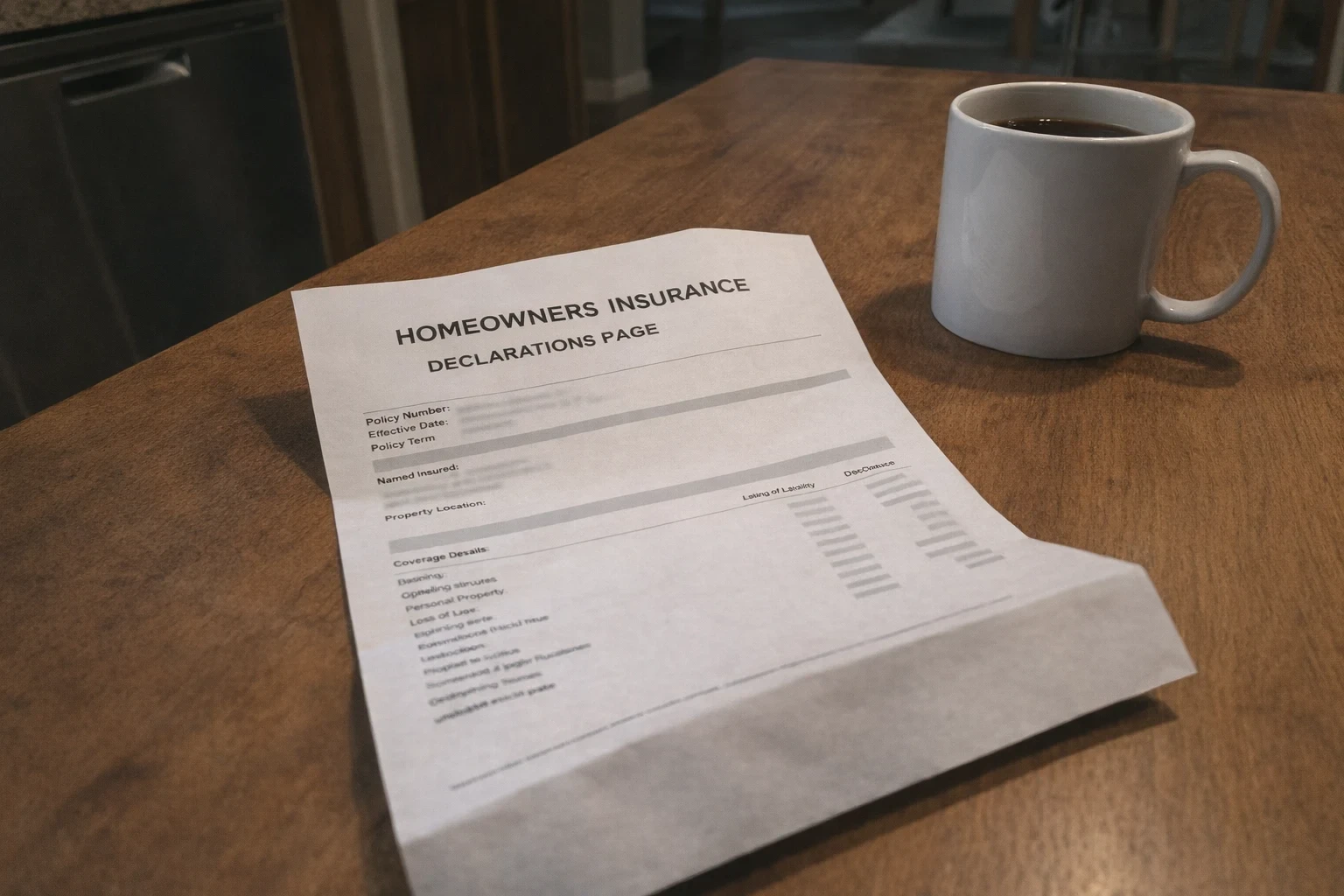
The insurance industry collected $2.1 trillion in 2026 premiums, but only 63 cents per dollar went back to ...
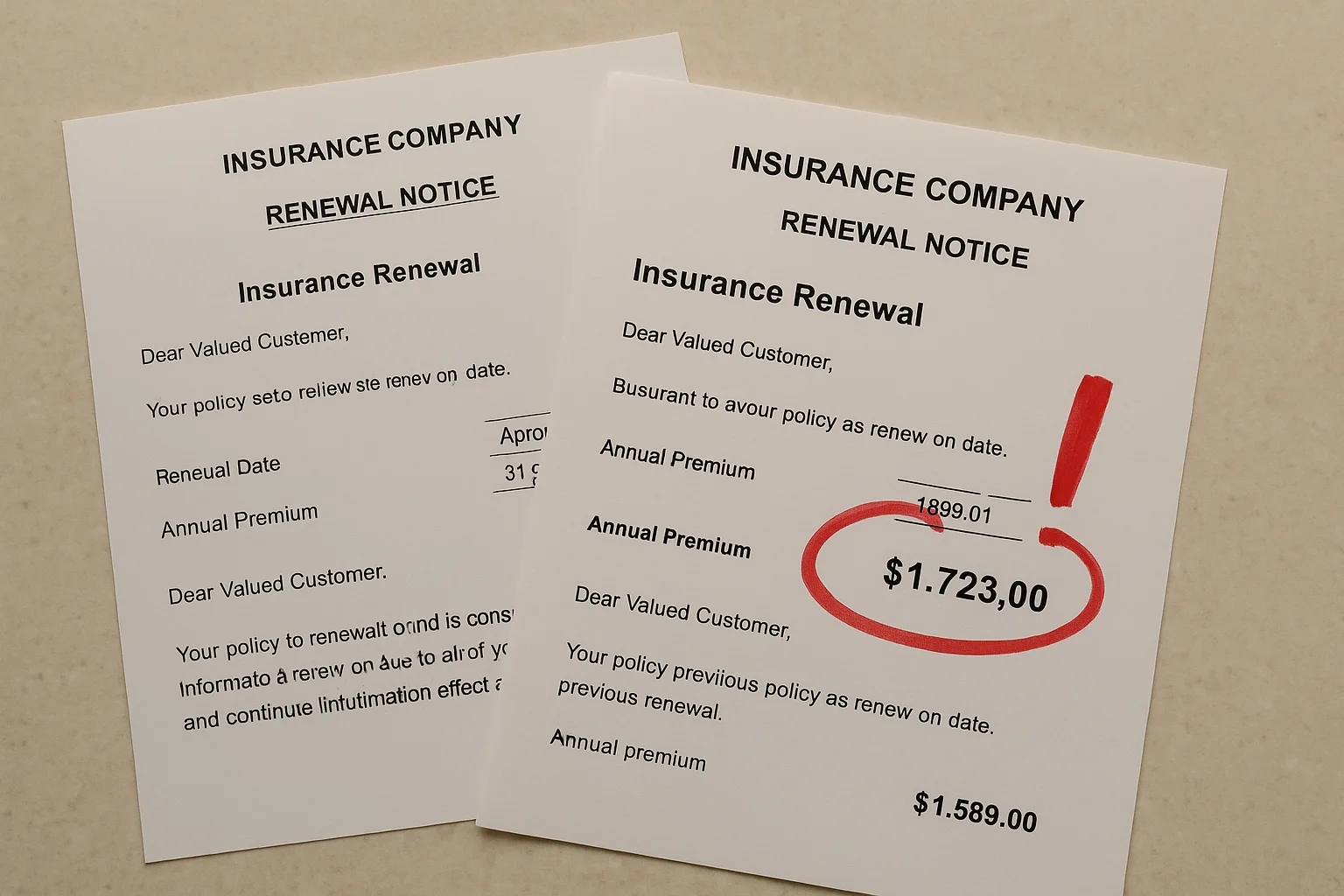
New 2026 data shows auto insurance monthly payment plans cost drivers $150-$300 extra yearly. Here's exactl...
Flood insurance is designed to protect damages caused by flooding. This covers damage to your home and belongings due to rising water. Typically, flood insurance is not included in standard homeowners insurance, so it’s vital to evaluate your risk. Flood zones are designated by the Federal Emergency Management Agency (FEMA), and whether you need insurance often depends on your location and risk level.
You need to flood insurance if you live in a high-risk area, often defined as Zone A or V on FEMA maps. However, even if you're in a low-risk area, the unexpected can happen, making coverage a smart choice. If your home has a basement or is near a body of water, it’s worthwhile to investigate available options.
1. Evaluate your needs — Check FEMA flood maps or consult an agent.
2. Gather documentation — Include your home details, previous claims, and property value.
3. Get quotes — Reach out to multiple insurance providers to find the best rates.
4. Choose a policy — Make sure it covers both the structure and belongings.
5. Set up your payment — Policies typically require an initial premium upfront.
The entire process can take up to a month depending on how quickly you gather information and how responsive insurers are. Always allow extra time for unexpected delays.
The average cost of flood insurance is typically between $500 to $2,000 per year, based on several factors. Low-risk areas may see premiums as low as $300, while high-risk zones may push costs over $3,000. Factors that affect pricing include the flood zone designation, your chosen policy limits, and the deductible amount. Be aware that some policies may also include additional fees or surcharges.
According to Price-Quotes Research Lab data for Indianapolis, IN, the average cost for Flood Insurance services ranges based on complexity, time of service, and provider experience. Prices in the Indianapolis metropolitan area may differ from national averages due to local market conditions, licensing requirements, and seasonal demand. Data reflects verified quotes collected from licensed providers serving Indianapolis as of October 2026.
Source: Price-Quotes Research Lab, QuoteZen Indianapolis Market Report (2026). Methodology: Aggregated pricing data from verified, licensed providers. Sample covers the Indianapolis, IN metropolitan area.
Price-Quotes Research Lab data shows that pricing for insurance services in Indianapolis currently has no available data. However, understanding the local landscape is crucial for future analysis. Homeowners in neighborhoods like Meridian-Kessler, known for its historic homes and mature trees, may face different risk profiles than those in newer developments in areas like Fishers. The prevalence of 1960s ranch-style homes along the I-465 corridor, particularly susceptible to specific types of damage, could influence insurance needs. Furthermore, the city's infrastructure, including the White River and its potential for flooding, and the impact of the Indianapolis Motor Speedway on local traffic, could affect insurance claims. This is where a deep understanding of local factors becomes crucial in establishing a baseline for the cost of insurance services in Indianapolis.
While Price-Quotes Research Lab has no specific pricing data available for Indianapolis, we can anticipate seasonal trends. It is reasonable to assume that there will be a % premium during the winter months, specifically with the potential for snowstorms and ice damage. This mirrors the impact of the annual Indy 500 in May, which can increase claims related to property damage and auto accidents. The summer, with its humid heat, could also see an uptick in claims related to HVAC system failures. Monitoring these local weather patterns and events is essential for understanding any seasonal adjustments in insurance costs.
Without specific pricing data, a comparison is currently impossible. However, the cost of insurance in Indianapolis will likely be influenced by the city's cost of living index, which may be lower than the national average. Factors such as the density of insurance providers in the area and the specific requirements set by the Indianapolis Department of Business and Neighborhood Services (for permits, etc.) will also play a role. Ultimately, the cost context depends on a robust data set, but we can assume that the average cost will be influenced by several local factors. The lack of available data means we are unable to provide a precise comparison.
Price-Quotes Research Lab • Anonymous • Helps set better industry standards
How would you rate your most recent Flood Insurance experience?
What was the biggest issue? (pick one)
How much did you pay? (rough estimate is fine)
Thanks! Here's what others in Indianapolis reported:
Price-Quotes Research Lab Indianapolis Consumer Satisfaction Survey • Anonymous • Ongoing
Price-Quotes Research Lab • What should EVERY provider do? • 10 seconds
Which should be MANDATORY for all financial service providers? (pick all that apply)
Great picks! Here's what Indianapolis consumers agree on:
Price-Quotes Research Lab — "What Consumers Want" Standards Report • Indianapolis, IN
Price-Quotes Research Lab • Quick trade-offs • Helps providers improve
Would you pay a higher rate/fee if it guaranteed...
Interesting! Here's how Indianapolis residents feel:
Price-Quotes Research Lab — Consumer Willingness-to-Pay Study • Indianapolis Metro