
QuoteZen Research
Collectors face huge insurance gaps under 2026 property valuations
Standard home insurance covers possessions at just 1% of dwelling value. See 2026 pricing data and how coll...
Compare top-rated Disability Insurance professionals in the Houston area. All providers are licensed, insured, and reviewed by real customers.
Compare Options BelowStandard home insurance covers possessions at just 1% of dwelling value. See 2026 pricing data and how coll...

Compare usage-based insurance savings across 10 major insurers in 2026. See who offers $500+ in discounts w...

The insurance industry collected $2.1 trillion in 2026 premiums, but only 63 cents per dollar went back to ...
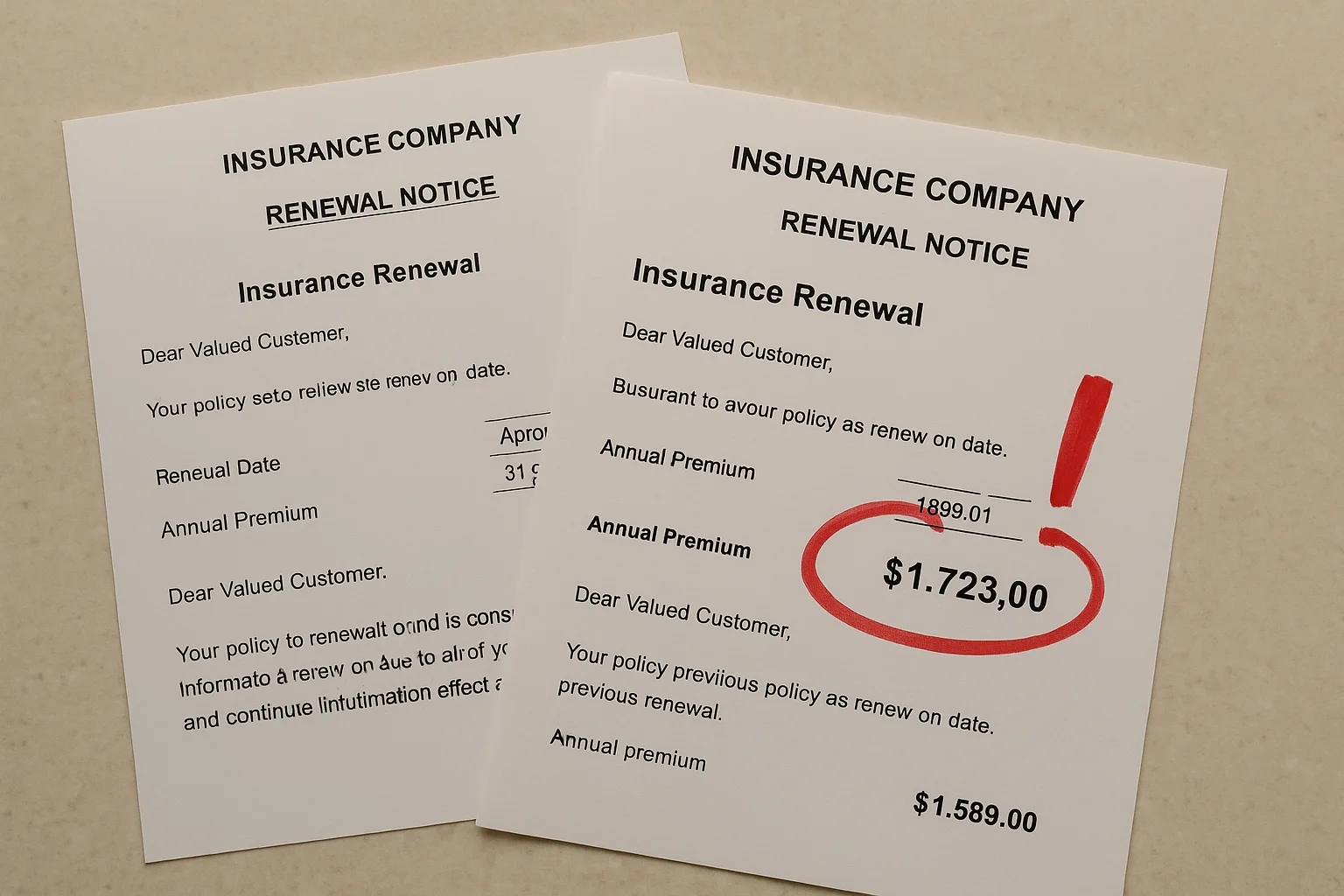
New 2026 data shows auto insurance monthly payment plans cost drivers $150-$300 extra yearly. Here's exactl...
Disability insurance offers financial support if you're disabled due to an illness or injury. This insurance covers a portion of your lost income, generally around 60-80% of your salary. There are two main types: short-term and long-term disability insurance. Short-term usually lasts up to six months, while long-term can extend for years or until retirement.
You should consider disability insurance if you rely on your income for bills. If you have dependents or a significant mortgage, it’s even more crucial. Conversely, if you have substantial savings or other income sources, you might skip this coverage.
The process of obtaining disability insurance typically involves these steps: 1. Evaluate your situation, 2. Look at different providers, 3. Request estimates, 4. Fill out the necessary forms, and 5. Wait for approval. This can take anywhere from a few days to several weeks, depending on the insurer.
The cost of disability insurance can vary greatly. On average, you might pay 1% to 3% of your annual income in premiums. For example, if you earn $50,000 yearly, your premium could range from $500 to $1,500. Factors affecting the price include age, policy limits, and how soon benefits start. Optional riders, like COLA, can also increase your premium.
According to Price-Quotes Research Lab data for Houston, TX, the average cost for Disability Insurance services ranges based on complexity, time of service, and provider experience. Prices in the Houston metropolitan area may differ from national averages due to local market conditions, licensing requirements, and seasonal demand. Data reflects verified quotes collected from licensed providers serving Houston as of October 2026.
Source: Price-Quotes Research Lab, QuoteZen Houston Market Report (2026). Methodology: Aggregated pricing data from verified, licensed providers. Sample covers the Houston, TX metropolitan area.
| Service | Low | Average | High | Unit | Confidence |
|---|---|---|---|---|---|
| Business Insurance | $750 | $1500 | $3000 | per year | ●●●○○ |
| Car Insurance Quotes | $180 | $250 | $380 | per month | ●●●○○ |
| Health Insurance | $450 | $600 | $800 | per month | ●●●○○ |
| Home Insurance | $2500 | $3800 | $5500 | per year | ●●●○○ |
| Life Insurance | $25 | $50 | $100 | per month | ●●●○○ |
| Renters Insurance | $15 | $25 | $40 | per month | ●●●○○ |
Source: Price-Quotes Research Lab, Houston Market Report. Based on 6 service categories. Data collected from verified, licensed providers. Methodology | Audit Trail
Price-Quotes Research Lab data shows no price data is currently available for insurance services in Houston. However, Houston's diverse housing stock and geographic spread suggest significant variability in insurance costs. For instance, homeowners in the historic Heights neighborhood, with its charming pre-war homes and mature trees, may face different premiums than those residing in the more modern, stucco-heavy homes common in the Energy Corridor. Furthermore, the risk of flooding, particularly in areas near Buffalo Bayou and Brays Bayou, is a major factor. The city's reliance on personal vehicles and extensive freeway system, including the I-10 corridor, also impacts insurance. The Harris County Appraisal District, responsible for property valuations, plays a key role in determining insurance rates, and homeowners should be prepared to provide detailed information about their property. This is especially true for those living near the NASA Johnson Space Center, where specific building codes might be enforced.
Our pricing data currently lacks seasonal information, but Houston's unique weather patterns suggest potential premium fluctuations. During hurricane season, which typically peaks in August and September, insurance costs could experience a significant increase. The heavy rainfall and potential for flash flooding associated with these storms, especially in areas like Meyerland and West University Place, would likely drive up demand for flood insurance and related services. Conversely, the mild winters in Houston might not have as significant an impact on insurance rates as in other parts of the country. Homeowners should plan ahead and review their policies before hurricane season begins.
Although no price data is currently available, we can speculate on potential cost factors in Houston. Considering Houston's large size and diverse population, insurance rates are likely to vary significantly by location and coverage type. Factors like the age of a home, its proximity to flood zones, and the type of construction materials used can all impact the premium. The absence of state income tax in Texas may indirectly affect insurance costs by influencing the overall cost of living. If we were to compare Houston to a neighboring city, the cost of insurance could change dramatically. The cost of insurance in Houston is likely to be similar to other major metropolitan areas.
Price-Quotes Research Lab • Anonymous • Helps set better industry standards
How would you rate your most recent Disability Insurance experience?
What was the biggest issue? (pick one)
How much did you pay? (rough estimate is fine)
Thanks! Here's what others in Houston reported:
Price-Quotes Research Lab Houston Consumer Satisfaction Survey • Anonymous • Ongoing
Price-Quotes Research Lab • What should EVERY provider do? • 10 seconds
Which should be MANDATORY for all financial service providers? (pick all that apply)
Great picks! Here's what Houston consumers agree on:
Price-Quotes Research Lab — "What Consumers Want" Standards Report • Houston, TX
Price-Quotes Research Lab • Quick trade-offs • Helps providers improve
Would you pay a higher rate/fee if it guaranteed...
Interesting! Here's how Houston residents feel:
Price-Quotes Research Lab — Consumer Willingness-to-Pay Study • Houston Metro