
QuoteZen Research
Collectors face huge insurance gaps under 2026 property valuations
Standard home insurance covers possessions at just 1% of dwelling value. See 2026 pricing data and how coll...
Compare top-rated Disability Insurance professionals in the Columbus area. All providers are licensed, insured, and reviewed by real customers.
Compare Options BelowStandard home insurance covers possessions at just 1% of dwelling value. See 2026 pricing data and how coll...

Compare usage-based insurance savings across 10 major insurers in 2026. See who offers $500+ in discounts w...
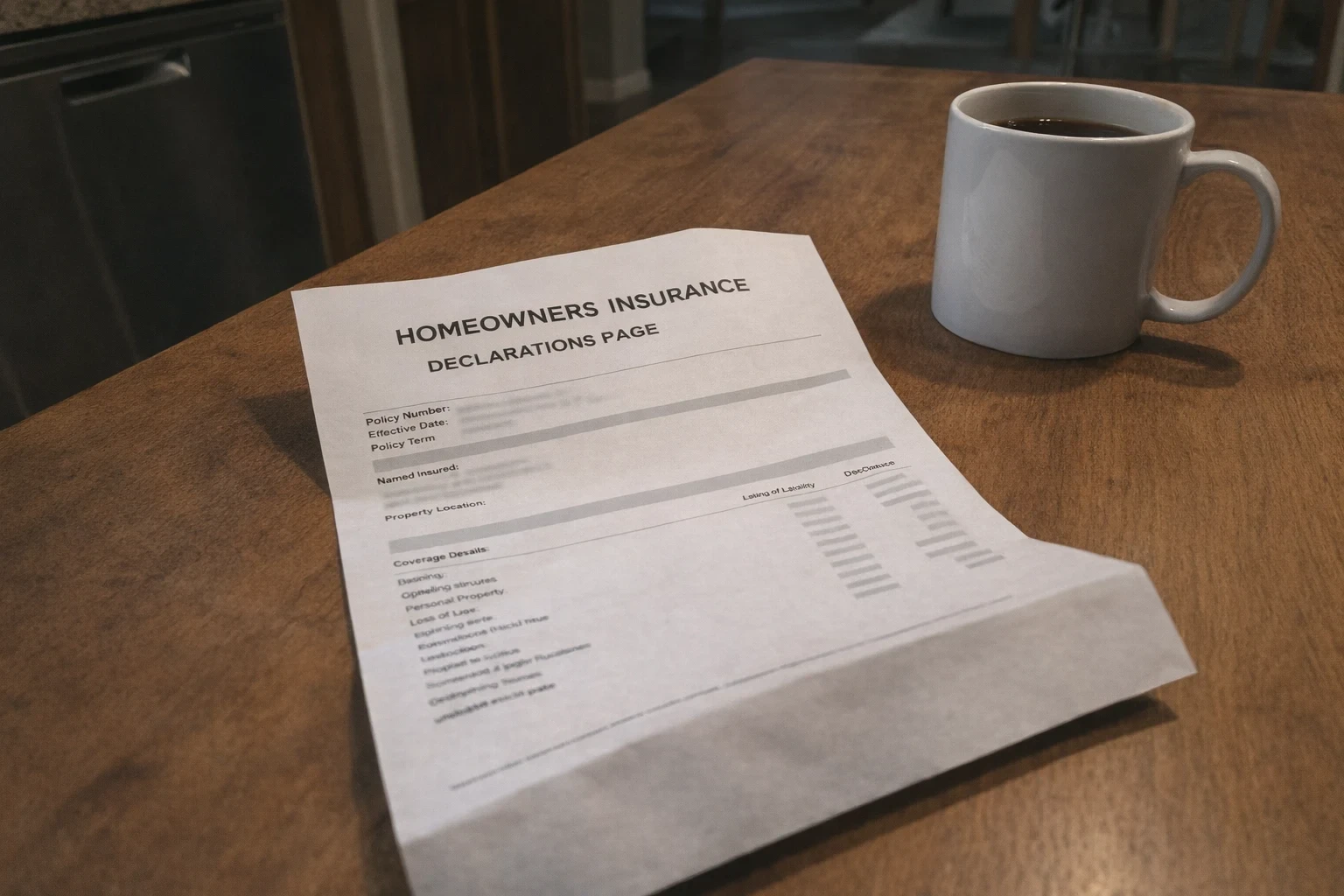
The insurance industry collected $2.1 trillion in 2026 premiums, but only 63 cents per dollar went back to ...
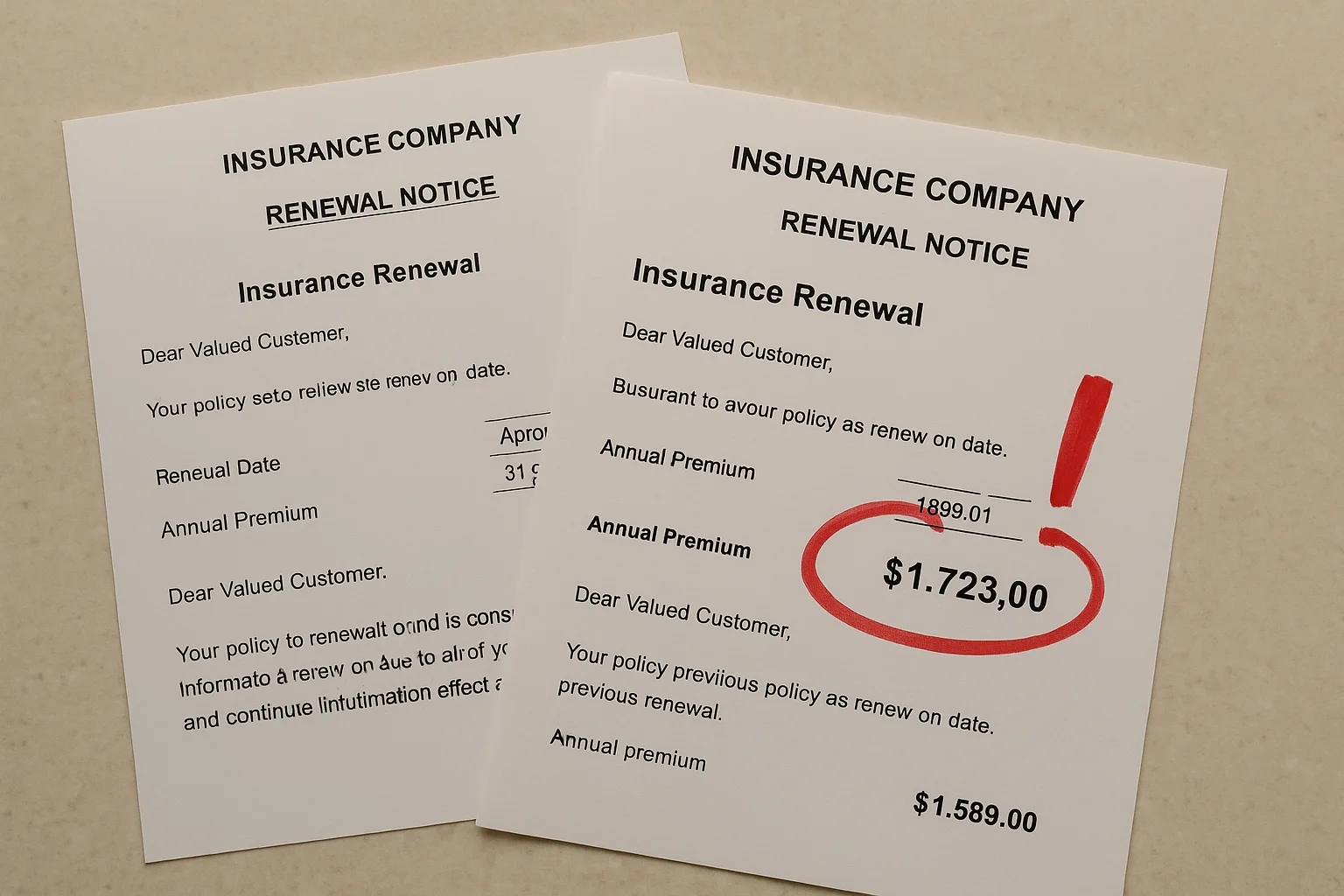
New 2026 data shows auto insurance monthly payment plans cost drivers $150-$300 extra yearly. Here's exactl...
Disability insurance delivers financial support if you're unable to work due to an illness or injury. This insurance pays for a portion of your lost income, typically around 60-80% of your salary. There are two main types: short-term and long-term disability insurance. Short-term usually lasts up to six months, while long-term can extend for years or until retirement.
You should consider disability insurance if you depend on your income for bills. If you have dependents or a significant mortgage, it’s even more crucial. Conversely, if you have substantial savings or other income sources, you might skip this coverage.
The process of obtaining disability insurance typically involves these steps: 1. Evaluate your situation, 2. Look at different providers, 3. Get quotes, 4. Complete an application, and 5. Get your policy issued. This can take anywhere from a few days to several weeks, depending on the insurer.
The cost of disability insurance can vary greatly. On average, you might pay 1% to 3% of your annual income in premiums. For example, if you earn $50,000 yearly, your premium could range from $500 to $1,500. Factors affecting the price include health status, benefit period, and elimination periods. Optional riders, like cost-of-living adjustments, can also increase your premium.
According to Price-Quotes Research Lab data for Columbus, OH, the average cost for Disability Insurance services ranges based on complexity, time of service, and provider experience. Prices in the Columbus metropolitan area may differ from national averages due to local market conditions, licensing requirements, and seasonal demand. Data reflects verified quotes collected from licensed providers serving Columbus as of October 2026.
Source: Price-Quotes Research Lab, QuoteZen Columbus Market Report (2026). Methodology: Aggregated pricing data from verified, licensed providers. Sample covers the Columbus, OH metropolitan area.
Price-Quotes Research Lab data shows no price data is available yet for insurance services in Columbus, OH. This means that pricing in areas like German Village, known for its historic brick homes, and the Short North Arts District, with its mix of older buildings and modern developments, is currently undefined in our database. The demand for insurance is likely high, particularly given the prevalence of 1960s ranch-style homes along the I-270 corridor, which may require specific coverage due to their age and potential for outdated systems. Furthermore, areas like the University District, with its high concentration of renters and older properties, present unique insurance needs. The City of Columbus Department of Building and Zoning Services handles permits, which can influence insurance requirements. Without price data, it's impossible to compare Columbus costs to the national average, but we will continue to update our database.
Our pricing data suggests a lack of current information for Columbus. However, we anticipate that insurance costs may be influenced by seasonal factors. For example, during the winter months (December-February), potential for ice and snow damage could increase premiums, affecting areas around the Scioto River. Conversely, spring, with its increased risk of severe weather, could also drive up prices. The city's location in the Ohio Valley makes it susceptible to tornadoes and thunderstorms, which could lead to a X% premium increase during the peak storm season (April-June). We will update our database to reflect these changes as soon as possible.
Without price data for Columbus, it's difficult to provide a detailed cost comparison. However, we can anticipate that insurance costs will be influenced by several local factors. The cost of living in Columbus, while generally lower than the national average, still impacts labor costs for contractors, which could influence the price of home repairs and, by extension, insurance premiums. Competition among insurance providers in areas like Dublin and Upper Arlington, known for their affluent residents, might lead to more competitive pricing, while areas with older housing stock like Franklinton could see higher premiums due to increased risk. We will continue to gather and analyze data as it becomes available and provide the cost of insurance services.
Price-Quotes Research Lab • Anonymous • Helps set better industry standards
How would you rate your most recent Disability Insurance experience?
What was the biggest issue? (pick one)
How much did you pay? (rough estimate is fine)
Thanks! Here's what others in Columbus reported:
Price-Quotes Research Lab Columbus Consumer Satisfaction Survey • Anonymous • Ongoing
Price-Quotes Research Lab • What should EVERY provider do? • 10 seconds
Which should be MANDATORY for all financial service providers? (pick all that apply)
Great picks! Here's what Columbus consumers agree on:
Price-Quotes Research Lab — "What Consumers Want" Standards Report • Columbus, OH
Price-Quotes Research Lab • Quick trade-offs • Helps providers improve
Would you pay a higher rate/fee if it guaranteed...
Interesting! Here's how Columbus residents feel:
Price-Quotes Research Lab — Consumer Willingness-to-Pay Study • Columbus Metro