
QuoteZen Research
Collectors face huge insurance gaps under 2026 property valuations
Standard home insurance covers possessions at just 1% of dwelling value. See 2026 pricing data and how coll...
Compare top-rated Dental Insurance professionals in the Chicago area. All providers are licensed, insured, and reviewed by real customers.
Compare Options BelowStandard home insurance covers possessions at just 1% of dwelling value. See 2026 pricing data and how coll...

Compare usage-based insurance savings across 10 major insurers in 2026. See who offers $500+ in discounts w...
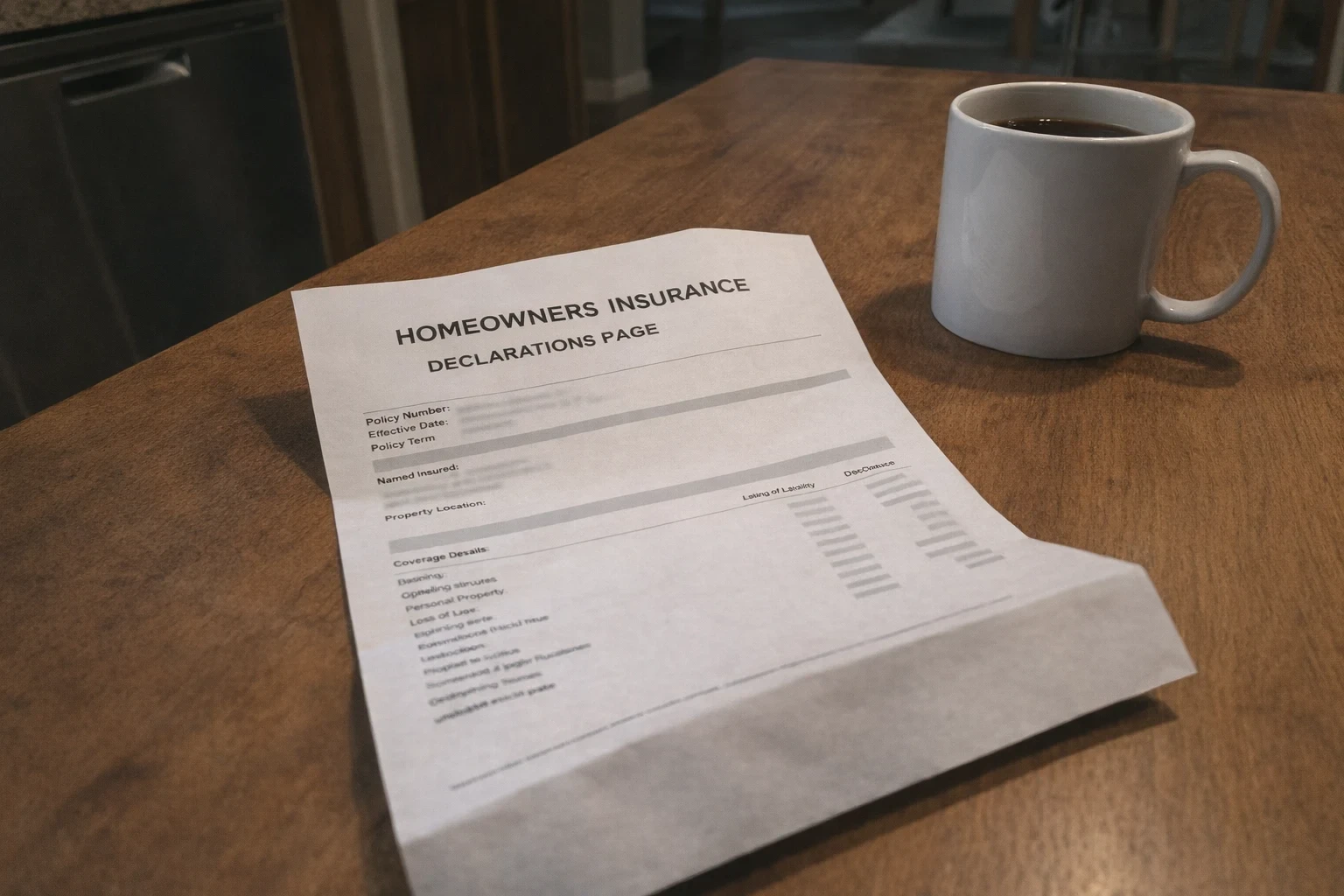
The insurance industry collected $2.1 trillion in 2026 premiums, but only 63 cents per dollar went back to ...
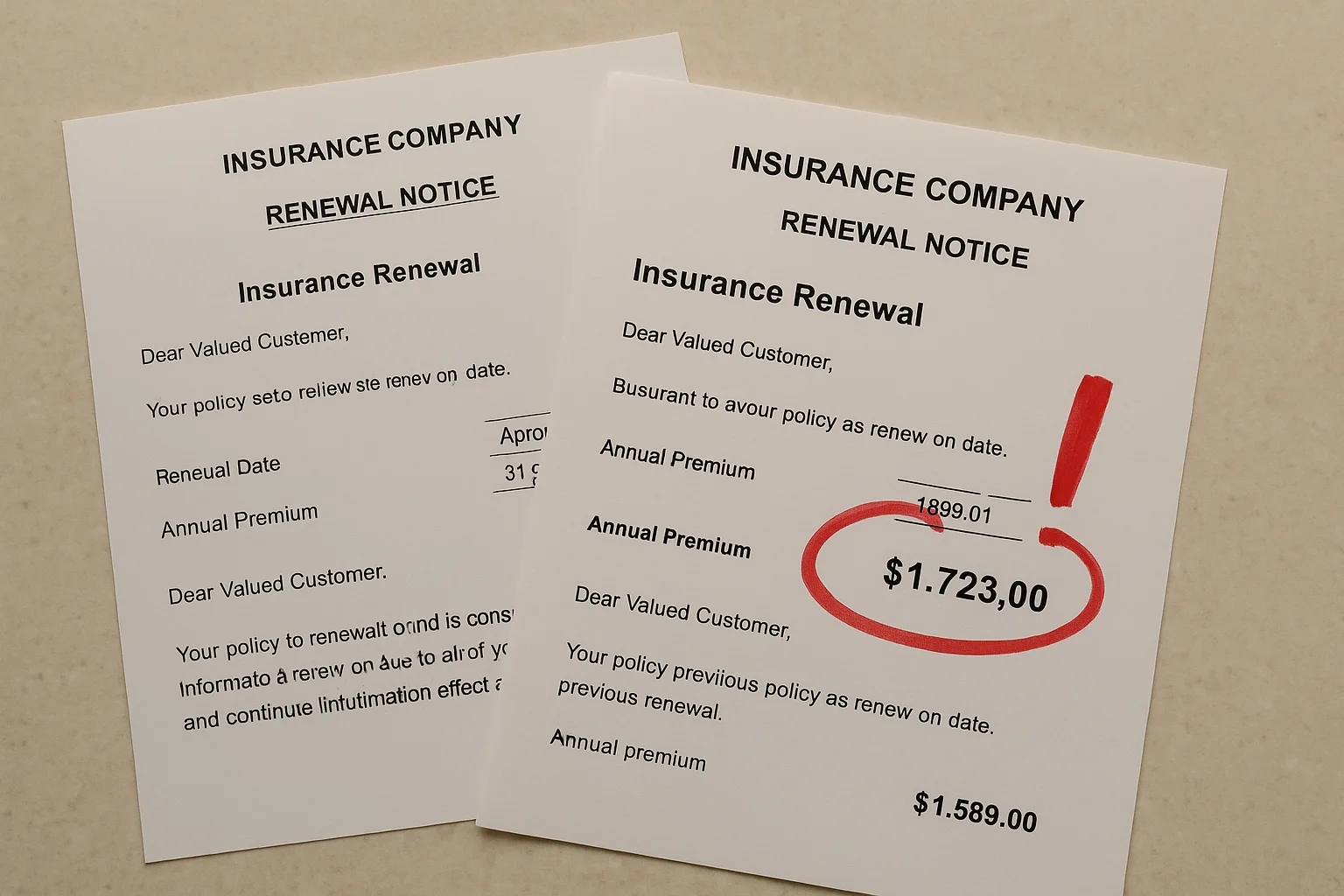
New 2026 data shows auto insurance monthly payment plans cost drivers $150-$300 extra yearly. Here's exactl...
Dental insurance {provides|offers|gives} coverage for {a range of|various|different} dental services, including {routine|preventive|basic} care like cleanings, fillings, and sometimes major procedures. Most plans typically cover {around|approximately|about} 100% of preventive services, {like|such as|including} annual exams and cleanings, while basic services usually have {an 80%|a 70-80%|a standard 60-80%} coverage rate.
You {should consider|might want|could benefit from} dental insurance if you {expect|anticipate|know you will} need {ongoing|regular|frequent} dental work or have {a family history of|a personal history with|previous issues related to} dental problems. On the other hand, if you {rarely|seldom|hardly ever} visit the dentist, you might {not need|find it unnecessary|consider skipping} insurance.
The process typically involves {researching|comparing|evaluating} different plans, {filling out|submitting|completing} an application, and {choosing|selecting|deciding on} a provider. {Most|Many|Numerous} plans {require|ask for|need} a waiting period for major services, which can range from {6 months|three to six months|90 days} to {a year|12 months|one full year}. Once enrolled, you’ll {receive|get|obtain} an insurance card and information about your coverage limits and exclusions.
The cost of dental insurance can differ significantly based on location, type of coverage, and the provider. On average, you can expect to pay between 25 to 50 dollars per month for an individual plan. Family plans typically range from 100 to 300 dollars monthly. Keep in mind that more extensive coverage usually means greater premiums.
Factors that can affect your monthly rate include the age of the members covered. Extras, like orthodontic coverage, may come with separate costs that can boost your overall expenses.
According to Price-Quotes Research Lab data for Chicago, IL, the average cost for Dental Insurance services ranges based on complexity, time of service, and provider experience. Prices in the Chicago metropolitan area may differ from national averages due to local market conditions, licensing requirements, and seasonal demand. Data reflects verified quotes collected from licensed providers serving Chicago as of October 2026.
Source: Price-Quotes Research Lab, QuoteZen Chicago Market Report (2026). Methodology: Aggregated pricing data from verified, licensed providers. Sample covers the Chicago, IL metropolitan area.
| Service | Low | Average | High | Unit | Confidence |
|---|---|---|---|---|---|
| Business Insurance | $75 | $150 | $300 | per month | ●●●○○ |
| Car Insurance Quotes | $180 | $250 | $380 | per month | ●●●○○ |
| Health Insurance | $450 | $600 | $800 | per month | ●●●○○ |
| Home Insurance | $1500 | $2500 | $4000 | per year | ●●●○○ |
| Life Insurance | $25 | $50 | $100 | per month | ●●●○○ |
| Renters Insurance | $15 | $25 | $40 | per month | ●●●○○ |
Source: Price-Quotes Research Lab, Chicago Market Report. Based on 6 service categories. Data collected from verified, licensed providers. Methodology | Audit Trail
Price-Quotes Research Lab data shows no price data is available yet for insurance services in Chicago. However, understanding the local landscape is crucial for future pricing analysis. Consider the unique needs across Chicago's diverse neighborhoods. For instance, the pre-war brownstones in Lincoln Park and the Gold Coast may present different insurance challenges than the more modern high-rises along the Magnificent Mile. The city's extensive infrastructure, including the CTA's 'L' train system and the Deep Tunnel, can also impact risk assessment. Properties in areas prone to flooding, like those near the Chicago River or Lake Michigan, will likely face different considerations than those further inland. The City of Chicago's Department of Buildings oversees permits and inspections, which can influence insurance requirements. Without current data, we can't provide dollar amounts, but this local context is essential.
Our pricing data currently lacks seasonal information, but Chicago's weather patterns will undoubtedly influence insurance costs. Expect potential premiums to increase during the winter months, specifically in January, due to the polar vortex and the associated risks of burst pipes and ice damage. Similarly, severe thunderstorms, common in the spring and summer, can lead to increased claims for roof damage and flooding. As the data grows, we anticipate seasonal adjustments, reflecting the impact of these local weather events on insurance claims and, consequently, pricing. Anticipate this data collection with us as we collect pricing data.
Without specific Chicago pricing data, a direct comparison is impossible. However, consider the national average. If the national average for homeowner's insurance is $2,000, we could anticipate Chicago prices to potentially be higher due to factors like the higher cost of living and the prevalence of labor unions in the construction industry, which can impact repair costs. The competitive insurance market in Chicago, with a high density of providers, could, however, temper those costs. Permit costs, managed by the City of Chicago, will also influence the overall cost of repairs and, by extension, insurance premiums. We look forward to collecting this data and providing more specific comparisons.
Price-Quotes Research Lab • Anonymous • Helps set better industry standards
How would you rate your most recent Dental Insurance experience?
What was the biggest issue? (pick one)
How much did you pay? (rough estimate is fine)
Thanks! Here's what others in Chicago reported:
Price-Quotes Research Lab Chicago Consumer Satisfaction Survey • Anonymous • Ongoing
Price-Quotes Research Lab • What should EVERY provider do? • 10 seconds
Which should be MANDATORY for all financial service providers? (pick all that apply)
Great picks! Here's what Chicago consumers agree on:
Price-Quotes Research Lab — "What Consumers Want" Standards Report • Chicago, IL
Price-Quotes Research Lab • Quick trade-offs • Helps providers improve
Would you pay a higher rate/fee if it guaranteed...
Interesting! Here's how Chicago residents feel:
Price-Quotes Research Lab — Consumer Willingness-to-Pay Study • Chicago Metro